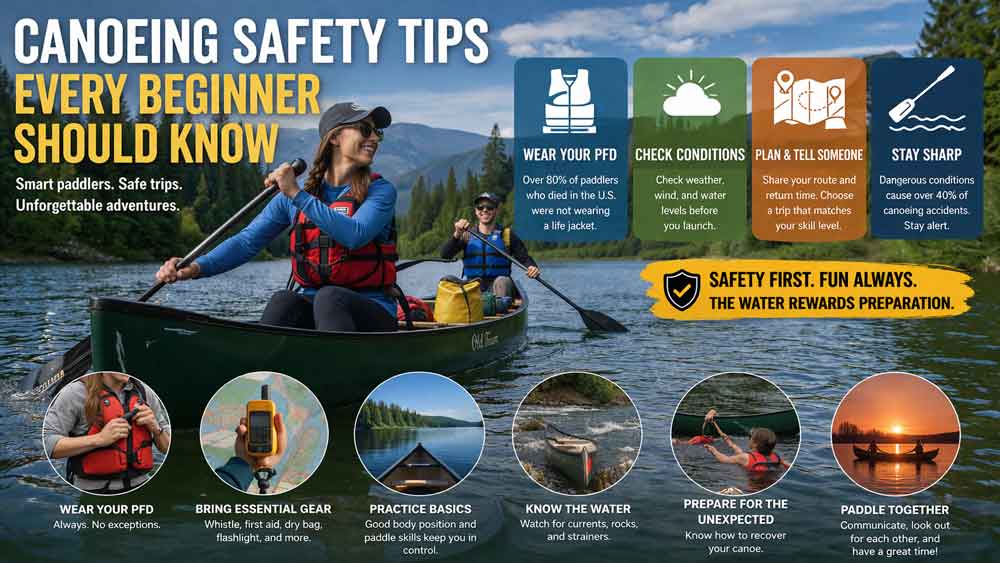
You may ask what the most important canoe safety tips are for beginners. You can feel confident on your first canoe trip if you know the basics. Many paddlers get into trouble because they forget easy steps. More than 80% of paddlers who died in the U.S. were not wearing a PFD. About 90% ended up in the water without warning. Dangerous conditions cause over 40% of accidents. As a beginner, you can avoid most problems by following a beginner canoeing guide. Stay alert to changing water and weather. Learning basic canoe skills makes every trip safer and more fun.
Always wear a Personal Flotation Device (PFD) that fits you well. This helps keep you safe on the water.
Check the weather and water levels before you go. This helps you avoid danger.
Plan your canoe route with care. Tell someone who is not going about your plans.
Practice good body position and paddling skills. This helps you stay balanced and in control.
Learn what to do in emergencies. Know how to ask for help and what to do if you tip over.
Beginner Canoeing Guide: Pre-Trip Safety
Essential Gear and Life Jackets
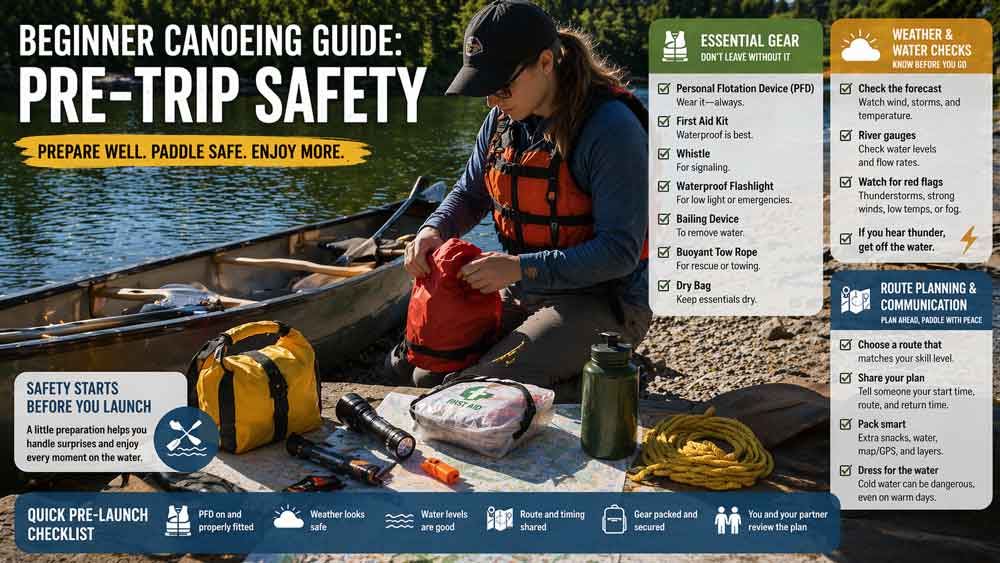
Before you grab your paddle, you need to pack the right gear. The beginner canoeing guide always starts with safety. You want to feel ready for anything on the water. Here’s a quick checklist for every paddler:
Personal Flotation Device (PFD) or life jacket (must fit well and stay on at all times)
First aid kit (waterproof is best)
Waterproof flashlight (for low light or emergencies)
Whistle (for signaling if you need help)
Bailing device (to scoop water out of your canoe)
Buoyant tow rope (for rescue or towing)
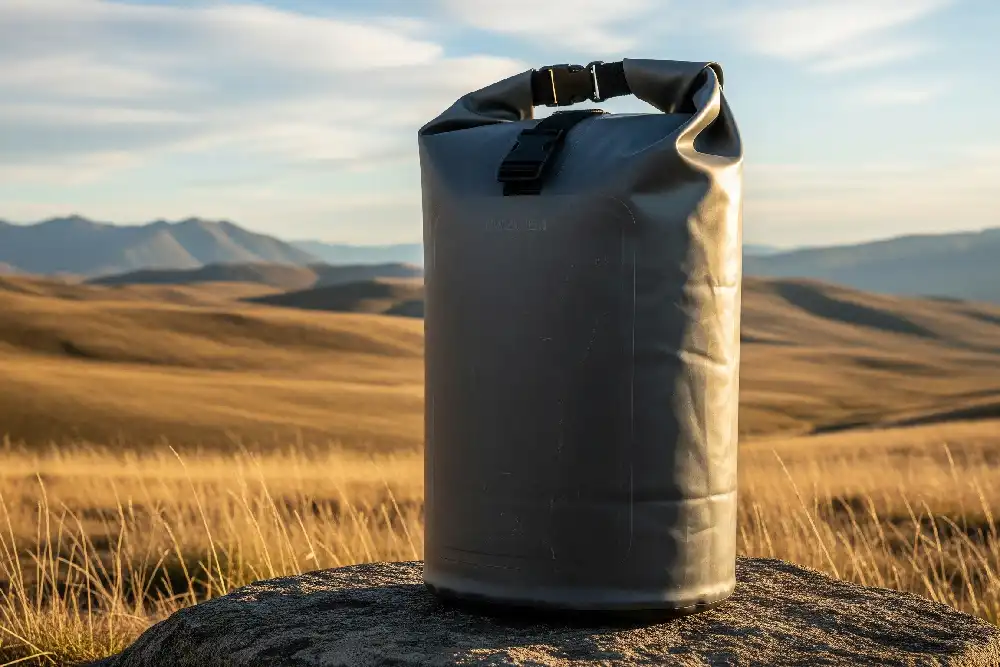
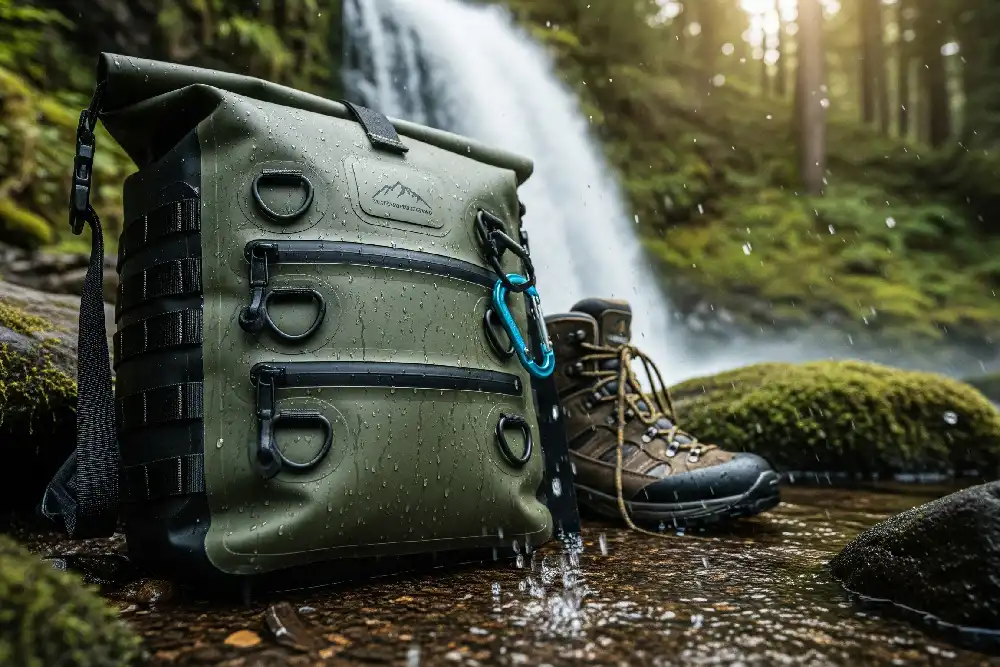
Dry bag (to keep your phone, snacks, and keys dry)
You should always wear your life jacket, not just keep it nearby. Most paddlers who drown never put one on. A life jacket keeps your head above water, even if you get tired or the current feels strong. It helps you float while you wait for help. In the U.S., kids under 13 must wear a PFD by law. Adults need one for each person in the canoe. The same rules apply in Canada. Experts say a U.S. Coast Guard-approved life jacket is the best way to stay safe. You can prevent most drowning accidents just by wearing it.
Tip: Try on your life jacket before your trip. Make sure it fits snugly but lets you move your arms. If it rides up or feels loose, adjust the straps.
Weather and Water Checks
You want to check the weather before you launch your canoe. Bad weather can turn a fun day into a dangerous one. The beginner canoeing guide recommends looking at the forecast for wind, storms, and temperature. Here’s a table to help you spot unsafe conditions:
Weather Condition
What It Means for Paddlers
Wind Speed
Up to 12 km/h: Easy paddling. 13–30 km/h: Harder to control. 31 km/h+: Dangerous—stay off the water.
Thunderstorm Warning
Lightning is very risky. Get off the water right away.
Air & Water Temp
Below 15°C: High risk of hypothermia. Wear a wetsuit or drysuit.
Fog
Hard to see. Use a compass or GPS to avoid getting lost.
Sudden Storms
Thunder and lightning mean you should head to shore fast.
You should also check river gauges for water levels and flow rates. High water can make your canoe trip risky. Low water can leave you stuck. Reliable sources like the USGS (in the U.S.) or Environment Canada (in Canada) give real-time updates. You can also find guides online that show you how to read river flow charts. Always check before you go.
Look for thunderstorm warnings and wind speed.
Review river gauges for water levels.
Watch for sudden temperature changes.
Note: If you hear thunder, paddle to shore and wait until the storm passes.
Route Planning and Communication
Planning your route is a key part of the beginner canoeing guide. You want to know where you’re going and how to get back. Choose a route that matches your skill level. Short, calm routes are best for a beginner. Avoid rivers with rapids or strong currents until you feel confident.
Here are some safety precautions and tips for planning:
Check the weather and water conditions before you leave.
Tell a friend or family member your plan. Share your start time, route, and when you expect to return.
Dress for the water, not just the air. Cold water can be dangerous, even on a warm day.
Wear bright colors and carry a light to help others see you.
Bring a map or GPS. Mark your entry and exit points.
Pack extra snacks and water in your dry bag.
If you follow these steps, you lower your risk and make your canoe trip more fun. Every paddler should remember that safety starts before you even touch the water. The right preparation helps you handle surprises and enjoy your time outdoors.
Tip: Review your plan with your paddling partner. Make sure you both know what to do if you get separated.
By following this beginner canoeing guide, you set yourself up for a safe and enjoyable adventure. You learn how to canoe with confidence, and you help keep yourself and your fellow paddlers safe.
Entry and Exit Safety for Canoe Launch
Seat Selection and Balance
Choosing the right seat and keeping your balance makes a big difference when you get into a canoe. You want to keep the canoe steady, so always sit low and close to the center. If you paddle solo, try the stern seat for better control and sharper turns. For beginners, the bow seat can feel safer and more stable, especially if you face the stern. Spread your weight evenly to keep the canoe level. High seats can make you feel wobbly, so pick a lower seat if you can. Always keep your head and body inside the canoe as you move. This simple trick helps you stay balanced and avoid tipping.
Tip: Before you get into a canoe, check that your life jacket fits and your shoes have good grip.
How to Canoe: Launching from Shore or Dock
You need to know how to canoe from different spots. Here’s a quick guide for a safe launch:
Place your paddle across the canoe, half on land and half on water, for extra support.
If you launch a canoe solo from shore, step into the center, sit down, and push off gently.
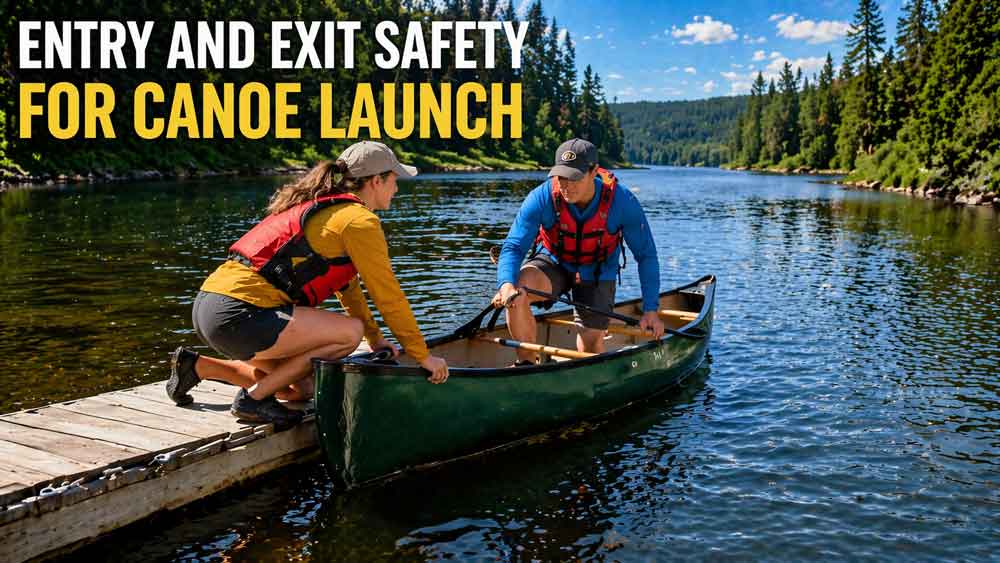
With a partner, one person holds the canoe steady while the other gets in. Then switch.
For a dock launch, line the canoe parallel to the dock, hold it steady, and step into the center before pushing away.
Dress for the water and wear water shoes to prevent slips. Always wear your PFD, even if you feel confident.
Entry and Exit for Solo and Tandem
Solo and tandem paddlers use different tricks to stay safe. If you paddle alone, the stern seat gives you better control, but the bow seat can help with balance if you’re new. In windy weather, a longer paddle helps you steer. For two people, talk about who gets in first and who holds the canoe. Move slowly and keep your weight low. When you get out of a canoe, sit up straight, swing your feet out, hold the sides, and slide onto your knees before standing. This keeps the canoe steady and stops you from falling in.
Note: Always plan your moves before you get into a canoe or get out of a canoe. Teamwork and slow movements keep everyone dry and safe.
Now you know how to canoe safely from shore or dock. Practice these steps, and you’ll feel more confident every time you launch a canoe.
Body Positioning and Canoe Stability
Sitting vs. Kneeling
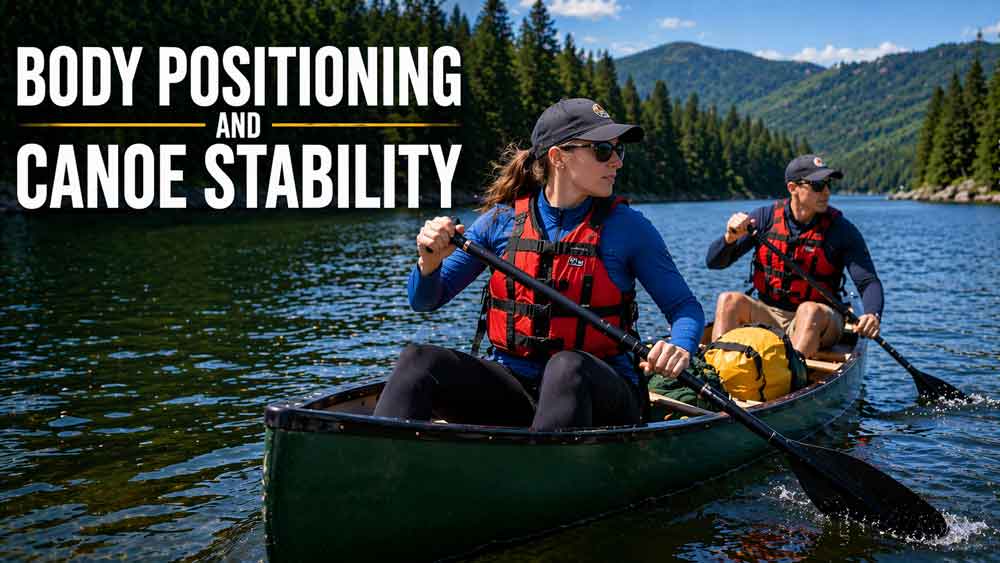
When you get into a canoe, your body position matters a lot. You can sit or kneel, and each way has its own benefits. Kneeling in a canoe gives you more stability because it lowers your center of gravity. This makes it easier to control the canoe, especially if the water gets rough. Sitting is a bit more comfortable, but it raises your center of gravity and can make the canoe feel tippy. Some paddlers like to kneel with their knees on the floor and use the seat for support. This helps you stay steady and lets you adjust quickly if the canoe tilts. If you sit, try to keep your weight low and centered. Always make sure you can move your legs easily, so you can get out fast if you need to.
Tip: If you plan to kneel for a long time, take breaks on shore to stretch your legs.
Adjusting for Water Conditions
Water conditions can change fast, so you need to adjust your position in the canoe. Sit upright with your back straight and your shoulders relaxed. Keep your chest open and your core muscles engaged. This helps you balance and gives you more power when you paddle. If the water gets choppy, move lower in the canoe or switch to kneeling. Spread your weight evenly and avoid leaning to one side. In calm water, you can sit a bit higher, but always stay alert. Try to keep your movements smooth and avoid sudden shifts. If you paddle with a partner, talk about how you will move together to keep the canoe steady.
Preventing Tipping
You probably wonder how to not tip a canoe. The secret is to keep your center of gravity low and your weight balanced. Place heavier gear in the center of the canoe. Sit or kneel as low as you can, especially if you see waves or feel wind. Communicate with your paddling partner and agree on safety rules before you start. Avoid sudden movements and keep your paddle close to the canoe. If you feel the canoe start to tip, brace yourself by pressing your knees or feet against the sides. Practice these habits, and you will feel more confident every time you get on the water.
Note: Staying calm and moving slowly helps you keep your balance and enjoy your canoe trip.
How to Paddle and Steer a Canoe Safely
Learning how to paddle and steer a canoe is the heart of every trip. If you want to feel confident on the water, you need to master a few basic strokes and steering techniques. These skills help you move your canoe where you want, avoid obstacles, and keep your adventure safe and fun. Let’s break down the essentials for every beginner paddler.
Paddle Grip and Body Mechanics
Your grip on the paddle makes a big difference in how to paddle properly. Many beginners squeeze the paddle too hard, but you want a light grip. Hold the paddle so your knuckles face up, and keep your elbows slightly bent. This relaxed hold lets you resist the force of each stroke without tiring your hands. If your paddle feels slippery, wipe the grip with alcohol or use tape to mark where your hands should go. Avoid clinching your hands for long periods. If you face tough conditions, you can grip tighter, but most of the time, keep your hands relaxed. Some paddlers like a smaller diameter shaft or a bent shaft for extra comfort.
Good body mechanics help you paddle properly and avoid injury. Sit upright in the canoe with your back straight. This posture lets you paddle harder and faster, and it reduces the risk of back pain. Use your core muscles and rotate your torso as you paddle. This movement gives you more power and keeps your strokes smooth. Keep your elbows high during the catch, which is when your paddle first enters the water. This position helps you get the most out of each stroke. When you sit upright, you also reduce drag and move your canoe more efficiently.
Tip: Practice your grip and posture on land before you get in the canoe. This habit helps you build muscle memory and makes every trip easier.
How to Paddle Forward and Backward
If you want to know how to paddle a canoe forward, start with the basic forward stroke. Place one hand on top of the paddle and the other near the bottom. Reach forward, dip the blade into the water, and pull it back alongside the canoe. Keep your strokes close to the canoe for better control. Use your torso, not just your arms, to power each stroke. This technique helps you move straight and saves energy.
To paddle backward, reverse the motion. Push the paddle blade toward the front of the canoe, keeping it close to the side. This stroke helps you slow down or move away from obstacles. For more control, try the reverse J-stroke. Here’s a step-by-step guide for moving backward with style:
Start with a reverse J-stroke to gain momentum and keep the canoe straight.
Set up a stern draw by tilting the hull slightly and slicing your blade out and behind you.
Open the blade to catch water by turning your grip hand thumb out.
Hold the stern draw to let the canoe pivot around your paddle.
Finish with a palm roll and another reverse J-stroke.
These strokes help you control your canoe in tight spots and make it easier to stop or turn quickly.
Steering: J-Stroke and Sweep Stroke
Steering is a key skill for every paddler. If you want to steer a canoe straight, the J-stroke is your best friend. This stroke combines a forward stroke with a small outward twist at the end. The twist acts like a rudder and keeps your canoe from zigzagging. You don’t have to switch sides as often, which saves energy and makes long trips more enjoyable. The J-stroke gives you better control and helps you keep a straight course.
The sweep stroke is another important technique for steering. To do a sweep stroke, reach your paddle out wide and make a big arc from the front to the back of the canoe. This stroke turns the canoe quickly and works well when you need to change direction. You can use the sweep stroke with other strokes for even better maneuverability. Both the J-stroke and sweep stroke are essential for every beginner who wants to learn how to paddle and steer a canoe safely.
Note: Practice these strokes on calm water first. Once you feel comfortable, you can try them in different conditions.
Solo Paddling and Sideways Moves
Sometimes you need to paddle a canoe by yourself or move sideways along a dock or another canoe. Solo paddling takes a bit more practice, but you can do it with the right technique. Sit or kneel near the center of the canoe for better balance. Use a combination of forward strokes, J-strokes, and sweep strokes to keep your canoe moving straight and turning when you want.
To move your canoe sideways, try the sculling draw technique. Place your paddle blade in the water next to the canoe and keep the shaft vertical. Move the blade back and forth in a gentle S-shape, like you’re spreading peanut butter or buttering toast. This motion slides the canoe sideways without turning it. Keep steady pressure on the blade and rotate your hips toward the paddling side for more control. The draw stroke, or sculling draw, is perfect for getting close to shore or another canoe.
Tip: Practice the “Buttering Toast” drill to find the best blade angle for your sculling draw. Try different angles until you find what works best for your canoe and paddling style.
Mastering these strokes and techniques helps you paddle properly, steer a canoe with confidence, and handle any situation on the water. Every paddler, beginner or experienced, benefits from practicing these skills. With the right tips and a little practice, you’ll soon feel at home in your canoe.
Capsize Safety and Recovery
Causes of Capsizing
You might wonder what causes a canoe to flip over. Most capsizes happen because of a few common mistakes. Here are the main reasons:
Poor balance: If you lean too far in any direction, your canoe can tip.
Turbulent water: Fast currents or waves can make your canoe unstable.
Weather: Strong winds or storms can push your canoe off balance.
Equipment problems: A poorly fitted canoe or missing gear can make things worse.
Human error: Sometimes, paddlers push their limits or lose focus.
If you want to avoid a capsize, always keep your weight centered. Watch the water and weather before you launch. Make sure your canoe fits you well and check your gear. Know your limits and stay alert.
Tip: Practice how to canoe in calm water first. This helps you build confidence and balance.
How to Right a Canoe
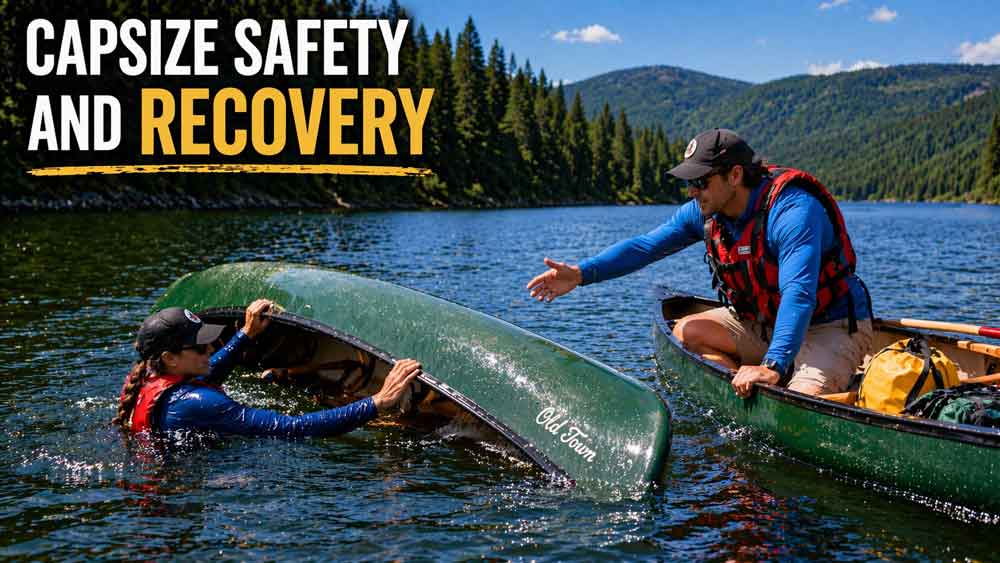
If you ever wonder what to do if your canoe capsizes, the first step is to stay calm. Panicking makes things harder. Here’s how to right a canoe safely:
Take a deep breath and check for injuries.
Stay with your canoe. It floats and helps rescuers spot you.
Move to the upstream side if you are in moving water.
If you are close to shore, push or tow your canoe to land.
In deep water, use the T-rescue or get help from a friend to flip the canoe upright.
Remember, your canoe is your best lifeline. Never leave it behind.
Note: Always keep your paddle and gear close. They can drift away quickly.
Re-Entry Techniques
Getting back into your canoe after a capsize takes practice. Here are some ways to do it:
If you paddle solo, swim to one end and use a strong kick to help flip the canoe upright. The airbag at the other end helps keep it afloat.
For tandem paddlers, work as a team. One person steadies the canoe while the other climbs in.
Use side airbags to keep the canoe drier and make re-entry easier.
Try the counterweight method by attaching a heavy bag to the canoe for more stability.
The rear paddler should climb in first while the front paddler holds the canoe steady. The front paddler can wrap their feet around the hull for extra support.
Practice these steps before your trip. Knowing how to canoe safely after a capsize can make all the difference.
Tip: If you flip your canoe, don’t rush. Take your time and work together to get back in.
Water Conditions Safety: Lakes, Rivers, Rapids
Lake Canoeing Safety
Lakes often look calm, but you still need to stay alert when you take your canoe out. Wind can pick up fast and create waves that make your canoe feel unstable. Always check the weather before you launch. If you see dark clouds or feel strong gusts, wait until it’s safe. Stick close to shore, especially if you’re new to canoeing. This way, you can paddle back quickly if the weather changes. Wear your life jacket every time you get in your canoe. Bring a whistle and a waterproof flashlight in case you need help. If you paddle with friends, agree on a meeting spot before you start.
Tip: Bright clothing helps others spot you on the water.
River Hazards and Communication
Rivers can surprise you with hidden dangers. When you paddle a canoe on a river, watch for fast-moving currents, fallen trees, and rocks just below the surface. These obstacles, called strainers and submerged objects, can trap your canoe or flip it over. Cold water can also be risky, so dress for the water temperature, not just the air. Sudden changes in water level can happen after rain. Always talk with your group before you start. Use waterproof radios or set up hand signals to stay in touch. If you paddle with a guide, listen to their advice and follow their lead.
Fast currents
Strainers (fallen trees or branches)
Submerged rocks or debris
Cold water
Sudden water level changes
Rapids: Reading Water and Using PFDs
Rapids make canoe trips exciting, but they also bring extra risks. Rivers change all the time, so you need to read the water before you paddle through rapids. Look for the smoothest path, often shaped like a “V,” which shows the safest route for your canoe. Check river flow and water levels before you go. High water can make rapids much more dangerous, while low water can expose rocks. Always wear your life jacket in rapids. It keeps you afloat if you fall out of your canoe. Never try rapids that are above your skill level. Practice your paddle strokes in calm water first.
Paddling Upstream and Avoiding Obstacles
Paddling a canoe upstream takes practice and patience. Look ahead to spot obstacles early. Plan your route around rocks, logs, or anything that blocks your path. If you see a low-head dam or something you can’t paddle around, stop upstream and find a safe way past it. Keep a safe distance from other canoes so you have room to move. Use the J-stroke to keep your canoe straight as you paddle against the current. Never stand up in your canoe. Stay low and balanced. Always let someone know your plan and never paddle alone. Watch out for less experienced paddlers in your group and help them avoid trouble.
Note: If an obstacle looks too hard, it’s okay to stop and walk your canoe around it.
Advanced Canoe Safety Skills
Anchoring a Canoe
Sometimes you want your canoe to stay in one spot. Maybe you want to fish, take a break, or just enjoy the view. You can use an anchor to stop your canoe from drifting. Pick a small anchor that matches the size of your canoe. Attach the anchor line to a strong point near the bow or stern. Lower the anchor slowly into the water. Let out enough line so the anchor touches the bottom. Make sure the line does not tangle around your paddle or feet.
Tip: Always keep your paddle close when you anchor. You might need to move your canoe quickly if the wind changes.
Never anchor your canoe in fast-moving water or rapids. The current can pull your canoe sideways and tip it over. Use an anchor only in calm water. If you feel your canoe drifting, pull up the anchor and try again. Practice anchoring in shallow water before you try deeper spots.
Lining and Portaging
You might find places where you cannot paddle your canoe. Rocks, rapids, or fallen trees can block your way. Lining and portaging help you get past these spots safely.
Lining: Walk along the shore and hold a rope tied to your canoe. Use your paddle to guide the canoe from the bank. Keep the canoe close and move slowly. Watch your footing and avoid slippery rocks.
Portaging: Carry your canoe and paddle over land. Lift the canoe with a partner or use special pads on your shoulders. Carry your paddle in one hand. Take breaks if you feel tired.
Note: Always check the path before you start. Clear away sticks or rocks that could trip you.
Lining and portaging keep you and your canoe safe. These skills help you explore more places and avoid dangerous water.
Emergency Procedures and Safety Communication
Emergency Actions
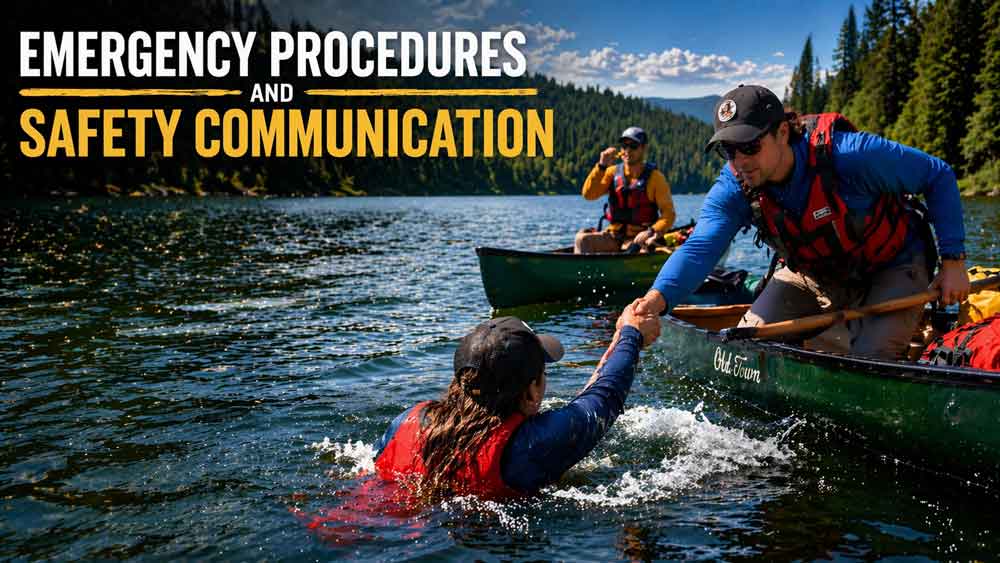
You never know when an emergency will happen on the water. If your canoe tips or you face trouble, you need to act fast and stay calm. Take a deep breath and focus on what you can do next. Here are some steps you should follow if you face an emergency in your canoe:
Stay calm and keep your head above water. This helps you think clearly and avoid panic.
Hold on to your canoe. It floats and gives you support, even if you lose your paddle.
Try to balance and stay low in the canoe if you can get back in. This lowers your chance of tipping again.
Know basic first aid. You might need to treat cuts, bruises, or even hypothermia if you fall into cold water.
Carry a first aid kit in your canoe. Bandages and antiseptic can help with small injuries.
If you get wet in cold water, dry off and warm up as soon as possible. Watch for shivering or confusion, which are signs of hypothermia.
Before your trip, talk with your group about who knows the most about river rescue or first aid. That person should take charge if something goes wrong.
Make sure everyone in your group has some safety training, like CPR or river rescue skills.
Plan what you will do in an emergency. Decide who will lead, what gear you need, and how you will help each other.
Tip: Practice these steps before you go out. Preparation and teamwork make every canoe trip safer.
Signaling for Help
Sometimes you need to call for help when you are in your canoe. You can use your paddle, your voice, or special tools to get attention. Here are some ways to signal for help:
Blow your whistle three times or keep blowing it without stopping. This tells others you need help.
Wave your paddle over your head or move it side to side. This signal means “Come to Me.”
Use your arm if you lose your paddle. Wave it back and forth above your head.
If you have a VHF radio, tune it to channel 16. Say “MAYDAY” three times, then give your canoe’s name and where you are. Tell rescuers what happened and how many people need help.
Note: Always keep your paddle and whistle close. These tools can save your life if you need to signal for help.
You can stay safe on the water if you know what to do in an emergency. Practice your signals and talk with your group before you start your canoe trip. Good communication and quick action can make all the difference.
You now know the top tips every beginner needs for a safe canoe trip. Practice your basic canoe skills before you head out. Stay aware of your surroundings and check your canoe gear each time. If you are a beginner paddler, start with calm water and short routes. Keep learning new canoe moves and review your safety plan often. With the right attitude, you can enjoy every canoe adventure and build your confidence on the water. 🚣♂️
FAQ
How do I know if my life jacket fits right?
You want your life jacket snug but not tight. Buckle it up and lift your arms. If it rides up or slips, tighten the straps. You should move your arms easily. Always try it on before your trip.
What should I do if I see lightning while canoeing?
Get off the water fast. Head for shore and stay low. Avoid tall trees and metal objects. Wait at least 30 minutes after the last thunder before you paddle again.
Can I canoe if I can’t swim?
Yes, you can. Always wear a life jacket. Stick to calm, shallow water. Paddle with a friend who knows how to swim. Take a basic swimming lesson if you want more confidence.
What do I do if my canoe tips over?
Stay calm. Hold on to your canoe. It floats and helps rescuers find you. Try to climb back in or swim to shore if it’s safe. Never leave your canoe behind.
Is it safe to canoe alone?
You can paddle solo, but it’s safer with a buddy. If you go alone, tell someone your plan and when you’ll return. Bring a whistle and a phone in a dry bag. 🚣





Comments are closed