Imagine you finish a long day on the water and discover your phone soaked inside your backpack. You need dry bags to keep your gear safe and dry. These bags give you confidence during short paddles or week-long trips. They shield your valuables from splashes and strong sunlight. Think about your last adventure and ask yourself if your gear stayed protected.
Dry bags keep your things safe and dry. They protect important items from water when you paddle.
Pick the right dry bag size for what you need. Small bags are good for short trips. Big bags are better for longer trips.
Always check your dry bag’s closure before you use it. Make sure it is sealed tight so water does not get in.
Lightweight dry bags make packing simple. You can carry less weight when you kayak.
Take care of your dry bag and clean it well. This helps it last longer and work for many trips.
What Are Dry Bags
Features
Dry bags keep your things dry and safe on the water. They come in many sizes and colors. Most dry bags use tough, waterproof materials. These materials can handle rough trips. Here is a table that lists the most common materials:
Material
Description
Coated Vinyl
This is used for smaller dry bags.
Nylon
This is for bigger dry bags because it is strong. It has a coating to keep water out and stop scratches.
PVC
This is a waterproof plastic. It is not as soft as other materials.
Some dry bags close with a roll-top, and others use a zipper seal. Roll-top bags seal tighter. They work better if you need to put your bag underwater. Zipper-seal bags are easier to open. But they may not keep water out if you drop them in the river. Here is a quick comparison:
Feature
Roll-Top Dry Bags
Zipper-Seal Dry Bags
Waterproofing
Rolling the top gives a tight seal and keeps water out.
Not as good at keeping water out, especially under pressure.
Submersion Capability
Great for putting the whole bag underwater.
Not as good for putting the whole bag underwater.
Damage Resistance
Hard for water to get in.
If the zipper breaks, water can get inside.
Some well-known brands are Sea to Summit and Itiwit. These brands have many sizes and features. You can choose what works best for you.
How They Work
Dry bags use special materials and smart designs to block water. Most bags have an outside layer made from nylon or PVC. This layer stops rips and scratches. The inside has a waterproof coating, like polyurethane, that keeps water out. Some expensive bags use TPU. TPU is stretchy and better for the planet.
The seams are sealed with heat or sound waves. This melts the edges together. There are no holes for water to get in. The roll-top closure works by folding the top over a few times. Then you clip it shut. This makes a tight seal. Your things stay dry, even if you drop the bag in water.
Dry bags are different from regular waterproof bags. They keep your things dry even if you put them underwater. Regular waterproof bags might let water in if they stay underwater too long. You can trust dry bags to protect your phone, clothes, and snacks every time you go out.
Benefits of Dry Bags
Waterproof Protection
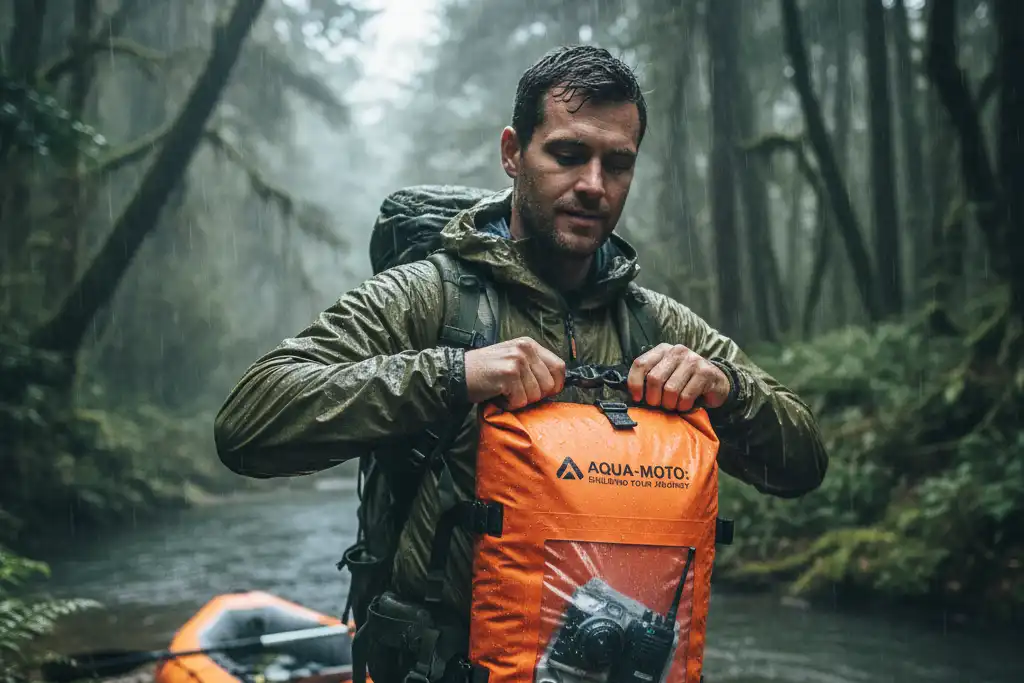
You need to keep your gear dry when you paddle. Dry bags give you strong waterproof protection. They use tough materials and smart seals to block water. You can trust them in heavy rain or high humidity. Many paddlers say their electronics and valuables stay dry, even when the bag goes underwater for a short time. Some dry bags float, so your gear stays safe if it falls in the water.
Tip: Always check the closure before you start your trip. A tight seal keeps water out and your gear dry.
You want your dry bag to last for many trips. Most dry bags use strong nylon or PVC. These materials resist scratches and tears. Some bags use heat-sealed seams for extra strength. You should know that older bags may leak at the seams or closure. Nylon bags might get damp inside after long use in water. Many paddlers use liners or double-bagging for important items.
The closure system is the weakest part. Always check for leaks.
Heavy-duty bags work well for big river trips and rough conditions.
You can trust a new dry bag to keep your gear safe.
Lightweight Design
You need to pack light for kayaking and canoeing. Dry bags help you carry less weight. They weigh less than many traditional waterproof containers. Here is a quick comparison:
Feature
Wet Bag
Dry Bag
Weight
100–200 g
200–500 g
You can choose small dry bags for essentials or bigger ones for clothes and gear. Lightweight bags make your trip easier and more fun.
Organization
You need to keep your gear organized. Dry bags come in many sizes, from 2-liter to 110-liter. You can use small bags for keys, snacks, and ID. Larger bags hold clothes and bigger items. You can put smaller bags inside a bigger one to keep things neat and dry.
Dry bags help you find what you need quickly.
You can separate wet and dirty gear from clean items.
Bags that float add safety if you drop them in the water.
Versatility
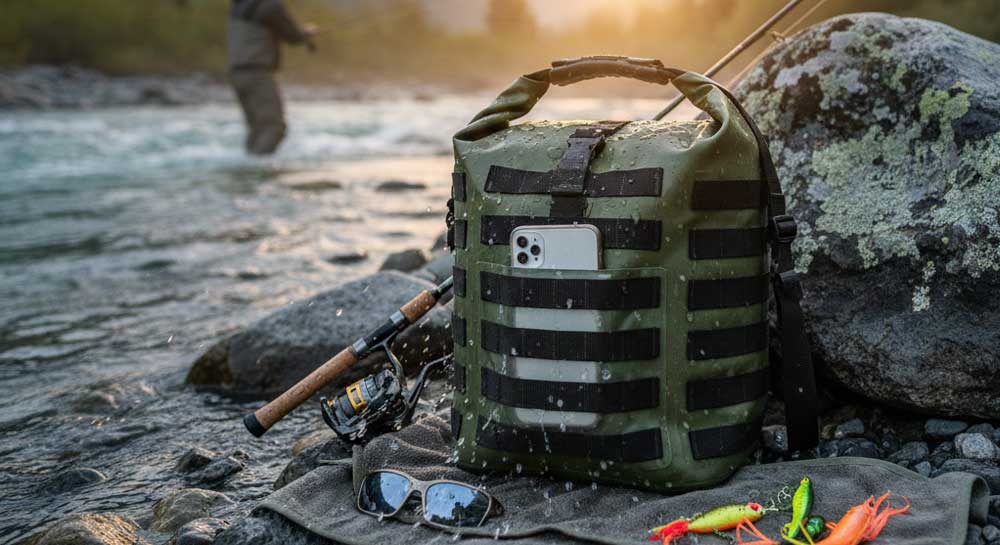
You can use dry bags for more than kayaking and canoeing. Many people use them for hiking, camping, and surfing. Dry bags protect your gear from water, dust, sand, and dirt. You can trust them during sudden rain or spills. They give you peace of mind on every adventure.
Dry bags keep your gear dry in many outdoor activities.
You can use them for travel, sports, and daily life.
You can save space and protect your gear with smart packing. Fold shirts by tucking the bottom, folding into thirds, and rolling tightly. Use soft items to fill gaps around bulky gear like helmets. Always pack sharp items carefully so they do not poke holes. Make a checklist before you pack. Put things you use least at the bottom and things you need often at the top. Lay your bag flat and squeeze out extra air before sealing.
Storage in Kayaks and Canoes
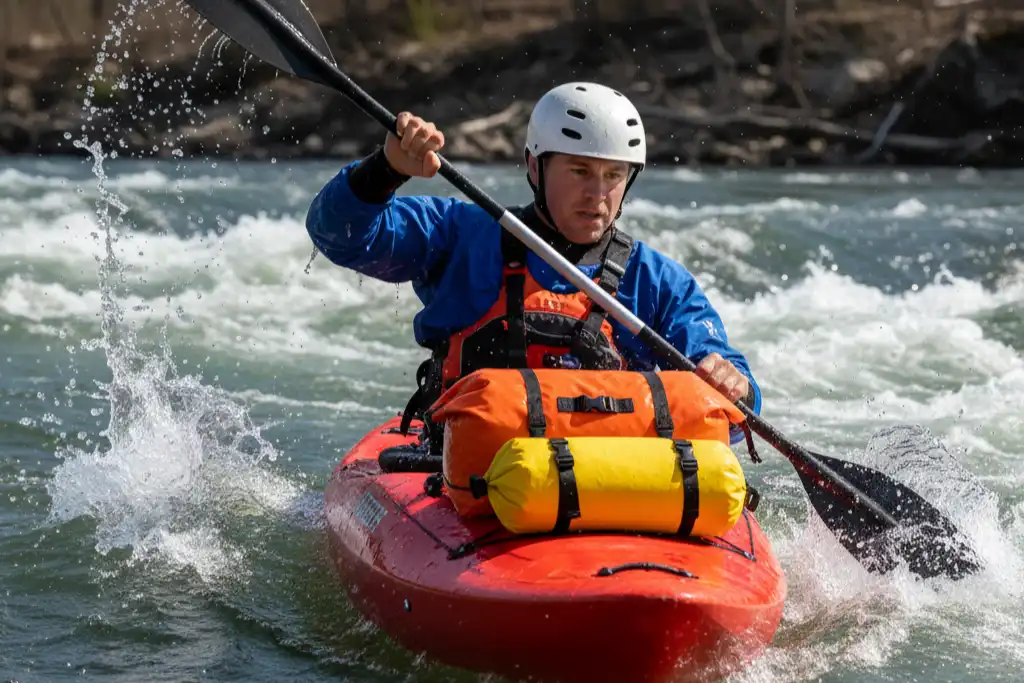
Keep your dry bag with safety items close by. Store it near your seat or lifejacket for quick access. Secure your bag so it does not float away in fast water or wind. You can use deck space, hull space in front of the cockpit, or behind your seat. Make sure you can reach zippers and pockets without trouble. A well-placed bag helps you stay safe and organized.
Care and Cleaning
Take care of your dry bag to make it last. Empty and check it before washing. Use mild soap, not regular detergent, to protect the waterproof coating. Hand wash with a soft brush or rag. Rinse well and let it air dry upside down in a cool, shady place. Never store your bag wet. This stops mold and bad smells from growing.
Tip: Spot clean with castile soap if you need to clean just one area. Avoid scrubbing too hard.
You feel calm when your gear stays dry and neat. Good bags stop your things from getting ruined. They keep important items safe. If you take care of them, they last a long time. Many kayakers say these bags make trips safer and more fun. You can pack clothes, gadgets, and snacks for any trip. The table below shows how these bags help you stay safe and enjoy your adventure:
How do you know if your dry bag is sealed properly?
You should roll the top down at least three times and clip it shut. Check for gaps or loose edges.
Tip: Squeeze the bag gently. If no air escapes, your seal works.
Can you use a dry bag for swimming or snorkeling?
You can use a dry bag for swimming or snorkeling. Many dry bags float and keep gear dry.
Activity
Dry Bag Use
Swimming
Yes
Snorkeling
Yes
What size dry bag should you choose for a day trip?
You should pick a bag between 10 and 20 liters for a day trip. This size holds snacks, clothes, and electronics. 🛶 Small bags fit inside your kayak and stay easy to reach.
How do you clean your dry bag after a trip?
You should empty your bag and wash it with mild soap and water. Let it air dry upside down.
Note: Never use harsh cleaners. These can damage the waterproof coating.






Comments are closed