When you buy a hiking backpack, comfort and safety are most important. You need a pack that fits your body well. It should hold all your gear. It must match your trip plans. Many people want strong materials. They also want good suspension systems. The right size is important for each trip. Look at these main things:
Factor
Description
Load Transfer Components
Padded straps and belts help you carry weight easily.
Capacity and Organization
Choose the right size for day trips, long hikes, or big adventures.
Material Quality and Durability
Strong fabrics like nylon or polyester last a long time.
Pick a backpack size that matches your trip length. Small packs are good for day hikes. Big packs are better for trips that last many days.
Make sure the backpack fits you well. Measure your torso and hips. A good fit helps you feel less tired and more comfortable.
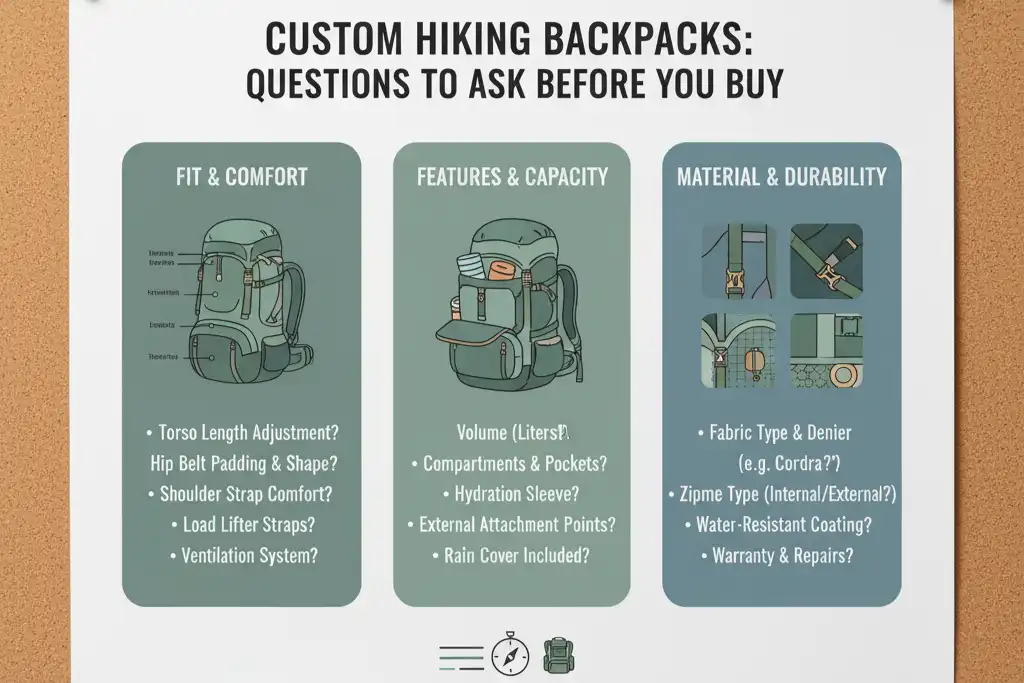
Check for important features like padded straps, hip belts, and hydration sleeves. These things make hiking easier and more comfortable.
Think about what kind of hiking you will do. Different hikes need different backpack sizes and features.
Try the backpack with some weight inside before you buy it. The pack should feel steady and comfy. It should spread the weight across your body.
Key Factors
Size
Choosing the right size for your hiking backpack makes a big difference. If you pick a pack that is too small, you will not have enough space for your gear. If it is too big, you might carry extra weight you do not need. Take a look at this table to see what size fits your trip:
A properly fitted backpack can transform your hiking experience from painful endurance to pure enjoyment. Whether you carry a lightweight day pack or a fully loaded expedition pack, proper fit and adjustment are crucial for comfort, safety, and hiking performance.
Fit
Fit is all about comfort and safety. You want your hiking backpack to match your body. If it does not fit, you might feel shoulder pain, back strain, or even numbness. Here is how you can check your fit:
Tilt your head forward and find the bony bump at the base of your neck.
Slide your hands down to the top of your hip bones.
Measure the distance between these two points. This is your torso length.
Wrap a tape measure around the top of your hips to get your hip size.
When you adjust the hip belt, shoulder straps, and chest straps, you help your backpack sit right. This keeps the weight off your shoulders and spreads it to your hips. You will feel less tired and avoid injuries.
Features
The right features make your hike easier and more fun. Many hikers love adjustable hip belts, side water bottle pockets, and ventilated backs. Take a look at what experienced hikers value most:
Hydration sleeves let you drink water without stopping. Adjustable straps help you get a snug fit. Hip belt pockets keep snacks and small items close. Rain covers protect your gear from sudden showers. Trekking pole holders are handy for long hikes.
Activity
Think about your hiking plans before you buy a hiking backpack. For day hikes, you need a small, light pack with simple features. Multi-day trips call for bigger, tougher packs with more pockets and comfort. If you run or hike fast, look for hydration packs that are easy to carry. Winter hikes need packs with space for extra clothes and gear.
Day hikes: Small, lightweight packs (20-30L)
Multi-day treks: Larger, durable packs with more features
Hydration packs: Compact and easy for quick trips
Choose a hiking backpack that matches your adventure. You will hike farther and feel better.
Backpack Size and Capacity
Capacity Guide
Picking the right backpack size can make your hike much easier. You want enough space for your gear, but you do not want to carry extra weight. Think about how long you plan to hike and what you need to bring. Here is a quick guide to help you choose:
For short day hikes, a pack with 10 to 25 liters works well. You can fit water, snacks, a light jacket, and a first aid kit.
For full-day hikes, look for a backpack with 20 to 39 liters. This gives you room for extra food, layers, and maybe a camera.
For 1-3 day hikes, pick a pack with 40 to 56 liters. You will have space for a sleeping bag, shelter, food, and extra clothes.
For overnight or weekend trips, a 40 to 50-liter pack is usually enough. If you pack light, a 35–40L pack might work.
For longer trips, a 45 to 60-liter pack gives you more space for gear, food, and water.
Tip: Always check the shape and design of the pack. A tall, narrow pack may feel different than a short, wide one. The shape can change how the pack fits and how easy it is to organize your gear.
Volume by Activity
The type of hiking you do will help you decide how much space you need. Different activities call for different backpack sizes. Here is a table to show you what most brands recommend:
Volume Range (Liters)
Intended Use
5 to 20
Hydration packs and small daypacks; best for short, fast hikes or runs.
15 to 30
Daypacks for school, work, or a full day on the trail.
30 to 45
Larger daypacks or small technical packs; great for overnight or weekend use.
45 and up
Big technical packs for trips longer than two days.
When you choose a hiking backpack, think about more than just volume. The weight and shape of your gear matter, too. Some packs hold weight better because of their design. Others use space in a way that makes packing easier. Here is a table to help you see what to look for:
Aspect
Description
Volume Capacity
Total space inside the backpack. The shape of the pack can change how much you can really fit.
Weight Capacity
The most weight the backpack can carry. Materials and design affect this.
Shape Utilization
The design shape changes how you use the space. Some shapes are easier to pack and carry than others.
A tall, narrow pack may feel more stable on your back.
A short, wide pack might be easier to organize but could feel bulky.
The way a pack opens and the number of pockets can change how fast you find your gear.
You should always think about what you plan to carry. Heavy or bulky gear may need a bigger pack, even for a short trip. If you pack light and use compact gear, you can use a smaller backpack. Try to match your pack to your hiking style and the trips you want to take.
Fit and Comfort
Torso and Hip Sizing
Getting the right fit for your hiking backpack starts with your torso and hips. Your torso length matters more than your height. If you want your pack to feel comfortable, you need to measure your torso and hips the right way. Here’s how you can do it:
Tilt your head forward and find the bony bump at the base of your neck. This is your C7 vertebra.
Press your hands on the top of your hip bones. Imagine a line between these points across your back.
Stand straight and measure from your C7 vertebra down to where the line meets your spine. Write down this number in inches.
Tip: Your hip belt should sit on your hips, not your waist. This helps your backpack transfer weight to your hips and keeps your shoulders from getting tired.
For hip belts, men can add 2 inches to their pant waist size. Women should measure the smallest part of their waist and add 5 inches for curvy hips or 3 inches for straight hips.
When your backpack matches your torso and hip size, you get better weight distribution. You feel less strain and can hike longer without getting tired. The hip belt should rest on your iliac crest, which is the top of your hip bones. This spot helps you balance your load and keeps you steady on the trail.
Straps and Back Panel
Straps and the back panel play a big role in comfort and ventilation. You want shoulder straps that fit snugly but don’t dig in. The hip belt should hug your hips and help spread the weight. The back panel should keep air flowing and stop sweat from building up.
Here’s a quick look at how different designs help you stay comfortable:
Feature
Vaucluse Backpack
Boblbee GTX Backpack
Ventilation
100% more airflow than regular packs
Foam panel for comfort
Comfort
Curved ergonomic frame
Molds to your body, less movement
Moisture Management
Stops chafing and sweat
Adapts to you, keeps you dry
Weight Distribution
Spreads weight across the frame
Lumbar curve eases shoulder stress
When you try on a hiking backpack, pay attention to how the straps and back panel feel. You want the pack to move with you, not against you. Good ventilation keeps you cool and dry, even on hot days.
Adjustability
Adjustable parts make a huge difference for hikers of all shapes and sizes. If you’re tall, look for packs with adjustable straps and back length. These let you change the fit so the pack sits right on your body. Sternum straps help you keep the shoulder straps in place and add stability.
Sternum straps give you extra stability and help keep the pack from shifting.
Hip belts and shoulder straps that adjust make it easier to get a snug fit.
Note: Many brands offer backpacks in different sizes and with adjustable features. Some even have gender-specific fits for better support. If you have a shorter torso, a compact pack might work best for you.
When you adjust your hiking backpack, you get better support and less fatigue. You can hike longer and enjoy the trail more. Always try on your pack and make small changes until it feels just right.
Hiking Backpack Features
Access and Organization
When you pack for a hike, you want to find your gear fast. A good packing system helps you keep track of everything. You can organize your items by how often you use them. Put snacks, maps, and sunscreen in quick-access outer pockets. That way, you grab what you need without digging through your bag.
Tip: If you organize your gear before you leave, you save time and avoid forgetting important items.
Hydration Options
Staying hydrated keeps you strong and focused on the trail. Many hiking backpacks offer hydration sleeves for water bladders. These work well for short hikes when you know you have enough water. On longer trips, water bottles might be easier to refill and manage. You can see how much water you have left and refill at streams or stations.
Remember: Dehydration can make you tired and slow. Always check your water supply before you start.
Attachment Points
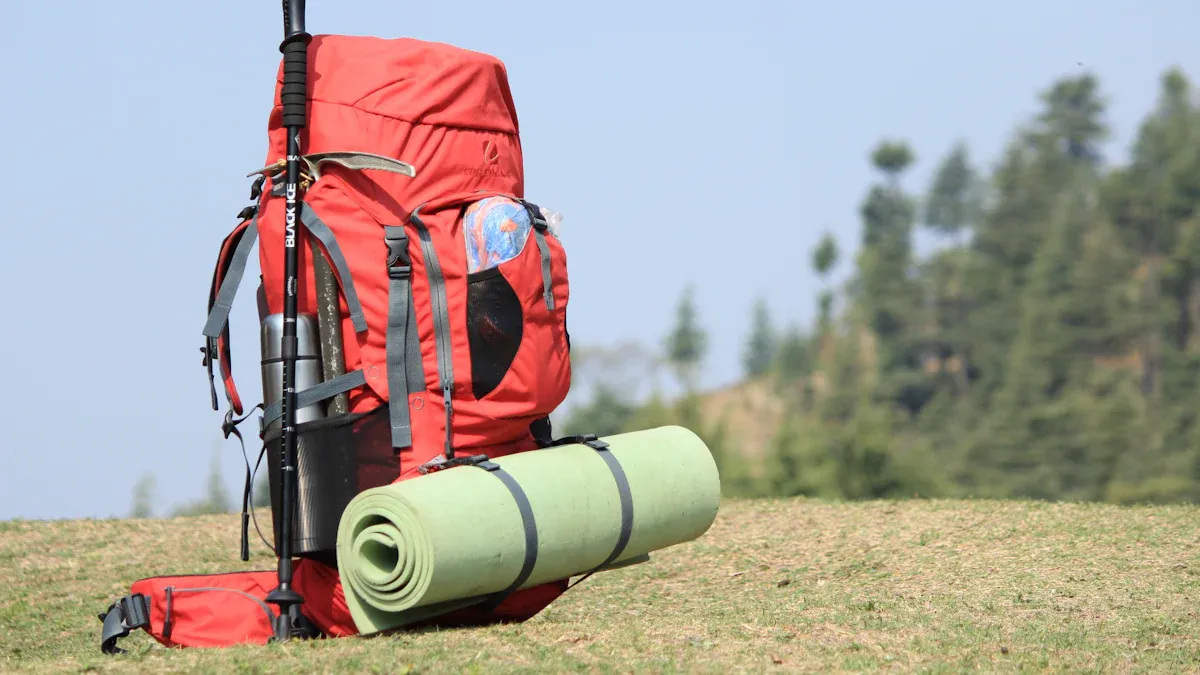
Attachment points let you carry extra gear outside your pack. You might see bungee cords for jackets or hats. Daisy chains and gear loops help you bring water bottles or trekking poles. Some packs have lash tabs for hanging items with cords. Rear loading straps hold sleeping bags or blankets. Hip belt gear loops keep small gear close to your hands.
Bungee cords for quick storage
Daisy chains for extra gear
Lash tabs and gear loops for hanging items
Rear straps for sleeping bags
Hip belt loops for easy access
If you plan to carry lots of gear, look for a pack with plenty of attachment points.
Weather Protection
Weather can change fast on the trail. You want your gear to stay dry. Most hiking backpacks use tough nylon with water-resistant coatings. These keep out light rain but may let water in during heavy storms. Some brands make fully waterproof packs with advanced materials. Daypacks usually handle light rain but may leak if it pours.
Water-resistant fabrics protect against light rain.
Waterproof packs offer better protection in wet weather.
Seams and zippers can let water in during long storms.
Pro tip: Pack a rain cover for extra protection. It helps keep your gear dry when the weather turns bad.
Types by Activity
Choosing a hiking backpack depends on your adventure. You need different packs for day hikes, overnight trips, technical climbs, running, and winter outings. Let’s look at what works best for each activity.
Activity Type
Backpack Size (Liters)
Key Features/Considerations
Day Hiking
20–36
Lightweight, easy access to essentials, no overnight gear
Overnight Backpacking
40–65
Holds tent, sleeping bag, food, water, and camping gear
Technical Hiking
Varies
Specialized equipment, extra attachment points
Running
Small
Minimalist, bounce-free, hydration options
Winter Activities
Large
Room for layers, spikes, poles, and extra insulation
Day Hiking
You want a light pack for day hikes. Pick a backpack between 20 and 36 liters. You can fit water, snacks, a jacket, and a first aid kit. Quick-access pockets help you grab things fast. You don’t need space for sleeping gear.
Tip: Choose a pack with a hydration sleeve. You can drink water without stopping.
Overnight
For overnight trips, you need more space. Look for a backpack between 40 and 65 liters. You can carry a tent, sleeping bag, food, and extra clothes. Packs with bottom compartments make it easy to store bulky items.
Use side pockets for water bottles.
Pack heavier items close to your back for balance.
Technical
Technical hikes need special gear. You might climb, scramble, or cross rough terrain. Choose a pack with gear loops, daisy chains, and strong attachment points. You want to carry ropes, helmets, or ice axes.
Note: Technical packs often have reinforced fabric and extra straps for safety.
Running
Running packs stay small and light. You want a pack that holds water, snacks, and maybe a windbreaker. Look for bounce-free designs and chest straps. Hydration vests work well for trail runs.
Pick a pack with soft flasks or a water bladder.
Use zip pockets for keys and energy gels.
Winter
Winter hikes need big packs. You carry extra layers, spikes, poles, and hot drinks. Choose a backpack with space for bulky clothes and gear. Look for packs with snow-shedding fabric and ice tool loops.
Pro tip: Use compression straps to keep your load tight and stable in snowy conditions.
Final Tips
Fit Check
Trying on a backpack in the store helps you find the right fit. You want the pack to feel snug but not tight. Adjust the hip belt first. It should rest on your hip bones, not your waist. Pull the shoulder straps until the pack hugs your back. Fasten the sternum strap to keep the shoulder straps in place. Walk around the store. Swing your arms. Bend over. The pack should move with you, not against you.
Tip: A good fit means no pinching, rubbing, or slipping. If you feel pressure points, try a different size or adjust the straps.
Load Testing
Before you buy, test the backpack with weight. Most stores have sandbags or weights for this. Here’s a simple way to check if the pack works for you:
Load the backpack with about 20–25% of your body weight (usually 18–26 pounds).
Adjust the hip belt first, then the shoulder straps, sternum strap, and load lifters.
Walk up stairs and squat down. Notice if the pack feels stable or if it shifts. Check for any sore spots or discomfort.
You want the weight to sit on your hips, not your shoulders. If the pack feels off-balance or digs in, try another model.
When to Upgrade
Sometimes your old backpack just can’t keep up. If you notice worn straps, broken zippers, or poor support, it might be time for a new one. Your needs may change, too. Maybe you hike longer distances now or carry more gear.
Internal frame backpacks offer big benefits when you carry heavier loads. They keep the pack close to your body, which helps you stay balanced. The frame transfers weight to your hips, so your shoulders don’t get tired as fast. Wide hip belts and twin buckles add comfort around your waist. You get better support and stability, even when you move quickly or hike on rough trails.
Remember: The right backpack makes every hike safer and more comfortable. Take your time, try different packs, and choose the one that fits your adventure.
When you shop for a hiking backpack, think about size, fit, features, and your activity. You want a pack that feels good and works well.
Frame type and suspension system help with comfort.
Straps and hip belts should support your body.
Good organization makes packing easy.
Weight distribution keeps you balanced.
If you are sick to death of the aches, pains, chaffing and bruises, then focus on carry comfort.
Try on backpacks in the store. Make a checklist of what you need. You will hike happier and safer when you choose the right pack.
FAQ
How do I know if my backpack fits me?
Measure your torso length and hip size. Try the pack on. Adjust the straps and hip belt. The pack should sit snug on your hips and not pull on your shoulders. Walk around to check for comfort.
What size backpack do I need for a day hike?
You need a backpack between 15 and 30 liters. This size holds water, snacks, a jacket, and a first aid kit. If you carry extra gear, pick a pack closer to 30 liters.
Can I use a regular school backpack for hiking?
You can use a school backpack for short, easy hikes. It may not have padded straps or a hip belt. For longer hikes, choose a hiking backpack for better support and comfort.
What features should I look for in a hiking backpack?
Look for padded straps, a hip belt, and a ventilated back panel. Quick-access pockets help you organize gear. Hydration sleeves and rain covers add convenience and protection.
How do I keep my gear dry in bad weather?
Pack a rain cover for your backpack. Use waterproof bags for important items like your phone or food. Choose a backpack with water-resistant fabric for extra protection.







Comments are closed