You can go hiking when you are young or old. Babies can join hikes in carriers. Seniors also like walking on trails. You may ask if there is a best age to begin. The real answer is that it depends on your interest and if you feel ready. Your birth year does not matter as much. Here is some research about kids and hiking:
Hiking is for all ages, from babies to seniors. What matters most is if you are ready and interested, not your age.
You can hike with babies by using a baby carrier. Keep the hikes short and make sure babies under six months are protected from the sun.
Let kids enjoy nature and explore. Allow them to walk short distances and take breaks so hiking stays fun.
Teens get stronger and make friends by hiking. Pick trails that fit their fitness level and remind them to drink water.
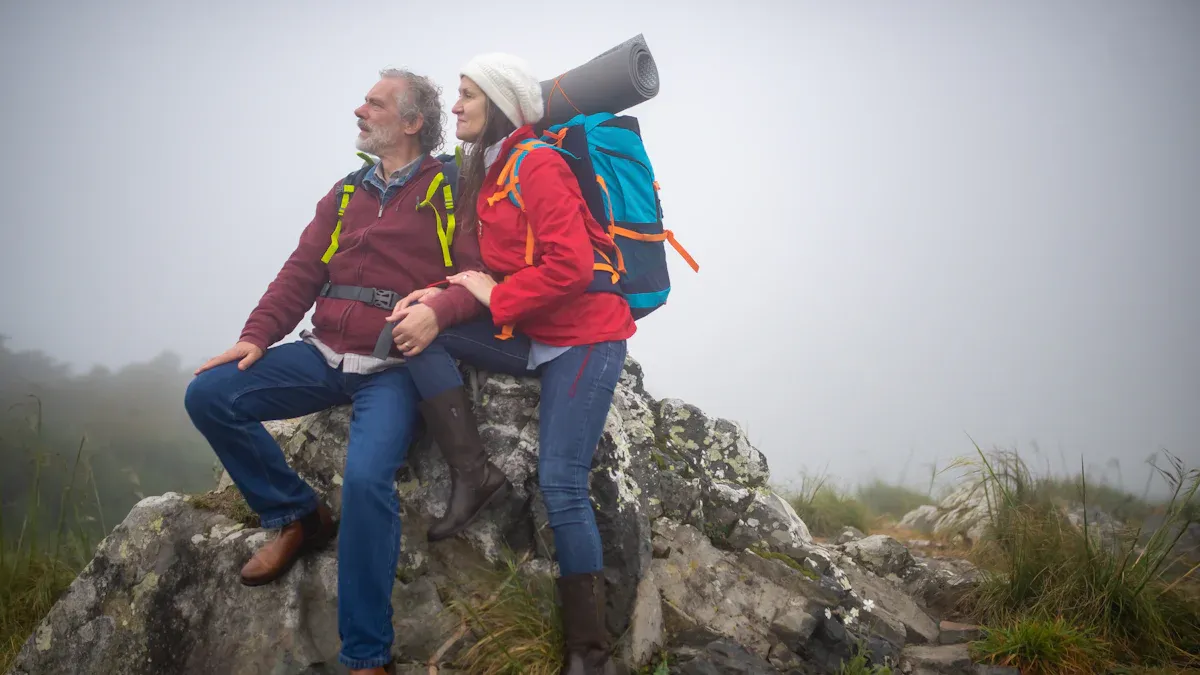
Seniors get health benefits from hiking, like better heart health and mood. Always hike with a friend and know what you can handle.
Hiking for Kids
Babies and Toddlers
You might wonder if you can bring your baby along for a hiking adventure. Experts say you can start hiking with infants as young as a month or two, but you need to use a baby carrier and keep hikes short. Practice with the carrier at home before you hit the trail. Babies under six months should stay swaddled and protected from the sun. You want to keep your little one in the shade and dress them in sun-protective clothing. Sunscreen is not recommended for babies under six months, so hats and shade work best.
Here’s a quick look at safety guidelines for hiking with babies and toddlers:
Category
Safety Guidelines
Hiking with Infants
Use a baby carrier; swaddle until 6 months; practice with the carrier; limit hikes to a couple of hours.
Pack plenty of diapers and waste bags.
Sun Protection
Keep baby in the shade; dress in sun-protective clothing; minimize sunscreen use for babies under 6 months.
Use broad-spectrum sunscreen if necessary; reapply every two hours.
Hiking with Toddlers
Allow toddlers to explore; bring a small pack for them; be aware of distance from the trailhead.
Plan for breaks; bring a change of clothes; ensure sun protection with hats.
You can let toddlers walk short distances and explore. They love picking up rocks or watching bugs. You should plan for lots of breaks and keep the hike close to the trailhead.
School-Age Children
Kids aged 3 or 4 can start hiking short trails. Their energy and curiosity make every hike an adventure. As children grow, they can handle longer distances. You may notice that kids aged 6 to 9 often hike between 3 and 5 miles. By age 10, many kids can hike even farther than some adults. Scouts and experienced tweens sometimes complete 5-mile hikes with ease.
There’s no perfect age to start hiking. What matters most is your child’s interest and willingness. Some kids love the outdoors right away, while others need time to warm up to the idea. You can encourage them, but let their excitement lead the way.
If you keep the experience fun and safe, hiking can become a favorite family activity for years.
Hiking for Teens
Physical Readiness
What physical challenges do teens face when they go hiking? You might notice that your body feels different on the trail. Some teens feel pain from new shoes or a heavy backpack. Others get tired quickly, especially if they do not drink enough water. Blisters can pop up if your shoes do not fit well. Dehydration is another problem, especially on hot days. You need to know what to expect before you start.
Often caused by new or improperly fitted footwear, or carrying too much weight.
Fatigue
Results from hiking when tired, dehydration, or overexertion.
Blisters
Commonly occur from new or ill-fitting shoes; can be managed with padding.
Dehydration
Can lead to severe fatigue and should be managed by regular water intake, especially in warm weather.
You can prepare for these challenges by choosing the right shoes, packing light, and drinking water often. Your body will get stronger with each hike.
Social Benefits
What social benefits can you get from hiking as a teen? Spending time in nature with friends or family helps you feel happier. You build stronger bonds and make memories together. Hiking with others also helps you stick with the activity. You may join a group or a club and meet new people who love the outdoors.
Time in nature with friends leads to positive feelings.
Doing activities like hiking with others helps you keep going.
Family bonds grow stronger through shared outdoor experiences.
Outdoor programs improve your mood and social health.
Family nature clubs boost satisfaction and help you connect with other families.
You can see that hiking is not just about exercise. It is also about building friendships and feeling good about yourself. When you hike with others, you share laughs, stories, and sometimes even snacks. These moments can make you feel more connected and confident.
Hiking for Adults
Fitness and Trail Options
What fitness level do you need for hiking as an adult? You do not have to be an athlete to start. You can find a trail that matches your fitness. Some trails are flat and easy. Others have hills and rocky paths. You can use the table below to see what fitness level fits you best:
Fitness Level
Description
1/Basic
Good for beginners with little experience.
2/Moderate
Needs some fitness; can handle moderate terrain.
3/Median
For regular exercisers; can manage longer distances.
4/High
For fit people; can tackle tough hikes.
5/Ultra
For experts; ready for extreme conditions.
You should aim for at least 150 minutes of moderate activity each week. That means you can hike for 30 minutes a day, five days a week. Try to add muscle-strengthening activities twice a week. This helps you stay strong and ready for any trail.
Tip: Start with short, easy hikes. As you get stronger, you can try longer or steeper trails.
Time and Adventure
What makes hiking special for adults? You get to choose your own adventure. Some adults love a quick walk in the park. Others want to climb mountains or explore new places. You can hike alone for quiet time or join a group for fun and support.
Most adults between 18 and 64 meet the recommended activity levels. Almost half of adults in this age group stay active. This is much higher than older adults, where only about 14% meet the same goals. You can use this time to boost your health, clear your mind, and enjoy nature.
You do not need fancy gear or lots of free time. You just need a good pair of shoes and a plan. Hiking lets you explore, relax, and stay healthy—all at your own pace.
Hiking for Seniors
Health Benefits
What can you gain from hiking as a senior? You might be surprised by how much your body and mind can benefit. When you walk on trails, you help your heart stay strong. You also lower your risk of heart disease. Your blood sugar and cholesterol levels can improve. Hiking helps you keep a healthy weight and lowers your chance of obesity. Your bones get stronger, which means you have less risk of osteoporosis. You also reduce your chances of colon and breast cancer, as well as diabetes.
Here are some more ways hiking helps you stay healthy:
Reduces the risk of dying from coronary heart disease
Decreases the risk for colon cancer, diabetes, and high blood pressure
Helps control your weight
Keeps your bones, muscles, and joints healthy
Relieves arthritis pain
Reduces symptoms of anxiety and depression
Boosts your mood and mental well-being
You also get to spend time with friends or meet new people on the trail. Social time outdoors can lift your spirits and help you feel less lonely.
Safety Tips
What should you do to stay safe while hiking as a senior? You want to enjoy your adventure and avoid problems. Here is a table with some important safety tips:
Safety Concern
Description
Informing someone of plans
Always let someone know your hiking plans, including trail name and expected return time.
Hiking with companions
Bring a friend or join a group for safety and fun.
Wearing appropriate footwear
Choose shoes that fit well and support your feet.
Dressing in layers
Wear layers so you can adjust to changes in weather.
Carrying a well-equipped backpack
Pack water, snacks, a first-aid kit, a charged phone, and a map or GPS device.
Knowing physical limits
Listen to your body and turn back if the trail feels too hard.
You should always know your limits. If you feel tired or the trail gets tough, it is okay to stop and rest. Pay attention to the weather and the ground under your feet. Do not push yourself too far. Staying safe means you can enjoy many more hikes in the future.
All Ages Hiking Tips
Fitness and Health
You want to feel strong and ready before you hit the trail. What are the best ways to prepare your body for hiking, no matter your age? Start with a mix of exercises that build strength, balance, and flexibility. These routines help you move better and avoid injuries.
Strength training boosts your muscles and helps you carry a backpack or climb hills.
Cardiovascular exercises like brisk walking or biking improve your heart health and give you more stamina.
Flexibility routines such as yoga or Pilates keep your joints loose and prevent muscle strains.
Balance exercises lower your risk of falling, especially on rocky or uneven paths. Try standing on one foot or walking on different surfaces.
Biking is a great low-impact way to build endurance and leg strength.
Weight training supports your body and helps you manage your weight.
Tip: Practice balance with your pack on at home. This prepares you for real trail conditions.
Leg swings: Swing each leg forward and back, then side to side, ten times.
High openers: Lift your knee and open your hip, ten times on each side.
Lateral lunges: Step to the side and bend your knee, holding for two seconds. Do ten on each side.
After your hike, cool down with gentle stretches. This helps your muscles recover and keeps you feeling good for your next adventure.
Hiking also brings mental and social benefits. Spending time outdoors can boost your mood and help you feel less stressed. If you hike with friends or family, you build stronger bonds and enjoy the journey together.
Safe Hiking
What do you need to stay safe on the trail? Safety starts with the right gear and good habits. Here is a list of must-have items for hikers of all ages:
Hydration system: Carry enough water or a portable filter.
Nutritious snacks: Pack lightweight, high-energy foods like trail mix.
First aid kit: Include supplies for minor injuries.
Weather-appropriate clothing: Dress in layers and choose moisture-wicking fabrics.
Emergency shelter: A small blanket or bivy sack can help in a pinch.
Multi-tool or knife: Useful for many tasks.
Whistle and signal mirror: For emergencies.
LED headlamp or flashlight: In case you finish after dark.
Personal locator beacon or satellite messenger: For remote hikes.
You also need to know how to prevent common injuries. Here is a table showing the most frequent hiking injuries and how often they happen:
Injury Type
Percentage
Athletic Injuries (Sprains, strains)
45%
Soft Tissue Injuries
34%
Dental Injuries
5%
Cold Injuries
4%
Dislocation
4%
You can avoid most injuries with a few simple steps:
Wear shoes that fit well and break them in before your hike.
Keep your feet dry and use good socks to prevent blisters.
Watch your step and use supportive boots to avoid sprains.
Stay dry and dress for the weather to prevent hypothermia.
Drink water often and use sun protection to avoid overheating.
Know the signs of dehydration and take breaks when needed.
Hydration and nutrition matter for everyone. Start your hike well-hydrated by drinking 300–500 ml of water about 30–60 minutes before you go. Sip water every 15–20 minutes while hiking. After your hike, replace any weight you lost by drinking 500–700 ml of water for every pound lost. Bring snacks that you have tested in different weather, especially if you hike in cold places.
Trail etiquette keeps everyone happy and safe. Here are some simple rules:
Pack out all your trash and leave nature as you found it.
Note: Always check the weather and trail conditions before you go. Let someone know your plans, especially if you hike alone.
You can make hiking fun for kids and teens by choosing short, interesting trails and letting them help with decisions. Bring a favorite stuffed animal or plan a scavenger hunt to keep them engaged. For older adults, hiking with friends can help you stay active and connected.
No matter your age, you can enjoy the outdoors safely with the right preparation and a positive attitude.
Hiking works for people of all ages and abilities. There are trails and programs for everyone, even if you use a mobility device or need help. The most important things are being interested, feeling ready, and staying safe.
Make a plan and choose a trail that fits your group.
Pack carefully and wear layers to stay comfortable.
Bring a friend and walk at a pace that feels right.
Hiking is for everyone, no matter your age. Go outside, be careful, and have fun on your adventure! 🚶♂️🌲
FAQ
What gear do you need for hiking with kids?
You need a comfortable backpack, water, snacks, sun protection, and a first aid kit. For babies, use a safe carrier. For older kids, let them carry a small pack with their favorite items.
What should you do if you feel tired during a hike?
Stop and rest. Drink water and eat a snack. Listen to your body. If you still feel tired, turn back. It’s okay to take breaks and enjoy the view.
What trails work best for beginners?
Choose flat, short trails with clear signs. Parks and nature reserves often have easy paths. Ask a ranger or check online for beginner-friendly hikes near you.
What can you do to keep hiking safe for seniors?
Walk with a friend. Wear sturdy shoes. Carry water and a phone. Tell someone your plans. Pick trails with gentle slopes and good shade.
What makes hiking fun for all ages?
You get fresh air, see new places, and spend time with friends or family. You can spot animals, find cool rocks, or play trail games. Every hike brings a new adventure! 🚶♀️🌳








Comments are closed