The Golden Rule for Hiking Every Adventurer Should Know
Here’s the golden rule for hiking: treat others as you want to be treated—respect nature and fellow hikers at all times. You make every trail better when you follow this simple rule. Think about your last hike. Did you pick up your trash? Did you greet others with a smile? You can create a safer and happier experience for everyone by showing respect. Small actions make a big difference out there.
Follow the golden rule. Treat others how you want to be treated. This helps everyone have a good time hiking.
Always take out what you bring in. Leaving no trace keeps nature pretty and safe for animals.
Stay on marked trails to protect plants and animals. Walking off the trail can hurt the environment for a long time.
Be polite to other hikers. Saying hello or smiling can make the trail friendlier.
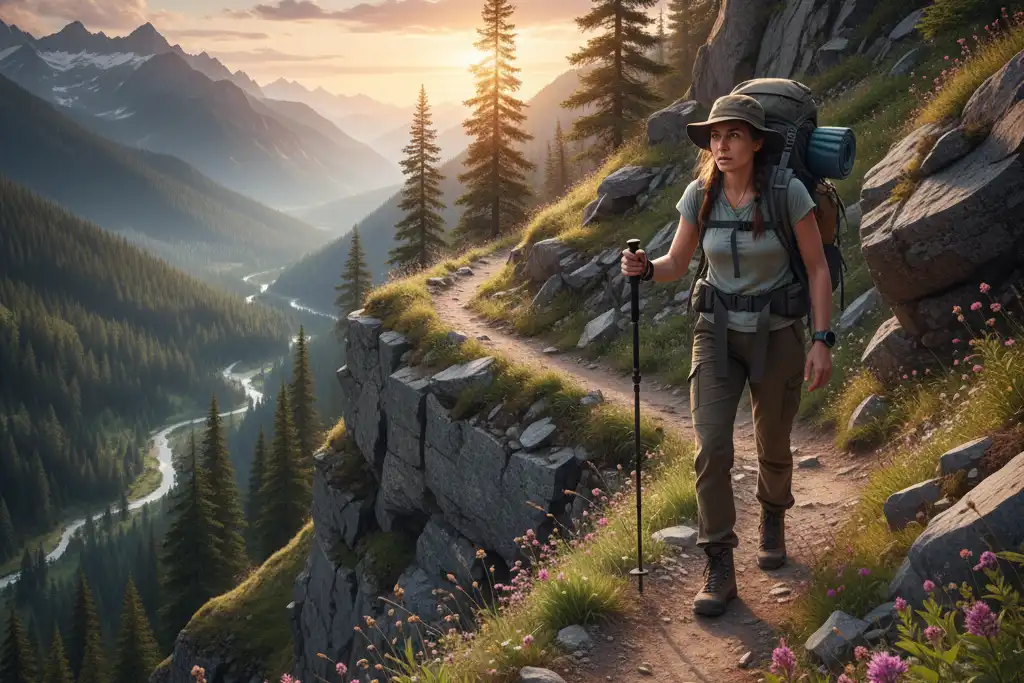
Get ready for your hike by knowing your limits. Bring the gear you need. This keeps you safe and helps you have fun.
Hiking Golden Rule
What It Means
When you step onto a trail, you join a community. The golden rule for hiking is simple: treat others as you want to be treated. This means you show respect to both people and nature. You pick up after yourself, greet other hikers, and leave the trail as you found it. Outdoor groups and experts agree that this rule matches the Leave No Trace guidelines. You help everyone have a better time when you follow it.
Think about it like this:
You stay aware of others on the trail.
You help fellow hikers enjoy their day.
Your own good experience depends on the respect you show.
You also need to plan ahead, know your limits, and look out for others. Hiking experts say you should prepare for your trip, bring enough water, and use a map or compass. These steps keep you safe and make the trail better for everyone.
Golden Rule
Description
Planning
Research the trail and know your abilities.
Buddy System
Hike with a friend for safety.
Logistics
Check the weather and tell someone your plans.
Navigation
Bring a map and compass.
Outdoor Etiquette
Leave nature as you found it.
Why It Matters
You might wonder why this rule is so important. When you respect others and nature, you make the trail safer and more fun for everyone. Treating people kindly creates a positive hiking experience. You help keep the peace and protect wildlife when you follow the rules.
Here are some reasons why the golden rule matters:
It builds respect and kindness among hikers.
It keeps the trail beautiful for future generations.
It helps everyone feel welcome and safe.
It protects plants and animals along the way.
It prepares you for surprises, making your hike smoother.
Sometimes, hikers forget to plan or ignore trail etiquette. This can lead to problems like getting lost, disturbing wildlife, or having conflicts with others. You can avoid these issues by following the golden rule every time you go hiking.
Remember: Your actions shape the trail for everyone. A little respect goes a long way.
Respect Nature
Leave No Trace
You play a big part in keeping nature beautiful. When you hike, always follow the Leave No Trace rule. This means you pack out everything you bring in. Trash like wrappers, bottles, and even dog waste can hurt the environment. Here’s what happens when people leave rubbish behind:
Wrappers can break down into microplastics. Animals might eat them and get sick.
Dog waste in plastic bags can spread harmful bacteria and parasites. This can hurt wildlife and even get into water supplies.
Disposable lighters and vapes release chemicals. These can poison animals or even start forest fires.
Alcohol bottles and cigarette butts can poison birds and other animals.
Littering does more than harm animals. It also ruins the peaceful feeling you get from hiking. Trash makes it hard to enjoy the beauty and quiet of the outdoors.
Stay on Trails
You might want to explore off the path, but staying on marked trails is important. Trails are there to protect plants and animals. When you step off the trail, you can crush plants and cause damage that takes years to fix.
The repercussions of widespread off-trail hiking in heavily trafficked areas include:
Large scale erosion
Damaged vegetation
Disruption to wildlife
Altered hydrology
Widening of trails
Increased muddiness
If you make your own path, you can destroy habitats and make the trail muddy for everyone. Stick to the trail to help nature stay healthy.
Wildlife & Plants
You share the trail with many living things. Animals and plants need space to grow and live. Studies show that hiking can stress animals. They might run away, lose feeding time, or even have trouble surviving. This can lower the number of animals in an area and make it harder for them to raise their young.
You can help by watching animals from a distance and not picking plants. Let nature stay wild for everyone to enjoy.
Respect Others
Yielding
You will meet all kinds of people and animals on the trail. Knowing who goes first keeps everyone safe and happy. Here’s a quick guide to right of way:
Yield to horses, larger groups, and those going uphill.
Mountain Bikers
Yield to hikers and horses, pass on the left, and announce presence when passing.
If you see a horse, step off the trail and let it pass. Horses can get spooked easily. When you meet other hikers, let uphill hikers go first. If you are in a small group, let bigger groups pass. Mountain bikers should always yield to hikers and horses. A simple “hello” or “coming up on your left” helps everyone know what to expect.
Noise
Nature feels peaceful when it is quiet. Loud voices and music can ruin the mood for others and scare animals away. Did you know animals are three to four times more likely to run from human sounds than from natural ones? Even your voice can make animals flee eight times more than off-road vehicles do. Try to keep your voice low and leave the speakers at home. This way, you help wildlife stay calm and let others enjoy the sounds of the forest.
Evidence Type
Description
Wildlife Reaction
Animals are 3-4 times more likely to flee from human sounds compared to natural sounds.
Hiker Noise Impact
Voices of hikers trigger the strongest reactions, causing animals to run away eight times more than when exposed to off-road vehicle noise.
Ecologist Insight
Recreational noise can affect wildlife far beyond trail systems, highlighting the need for management strategies.
Courtesy
A little kindness goes a long way on the trail. Greet others with a smile or a simple “hi.” Keep your dog on a leash and let the slowest hiker lead your group. Stay on the path and leave what you find. These small acts show respect for others and for nature. Outdoor experts say that being courteous makes hiking better for everyone. You help build a friendly trail community and protect the outdoors at the same time.
Practice
Description
Be courteous
Respect wildlife by not approaching them and sticking to designated areas.
Know the right of way
Uphill hikers generally have the right of way; downhill hikers should yield if needed.
Keep your volume down
Avoid loud music and conversations to maintain the serenity of nature and not disturb wildlife.
The slowest hiker should lead
Allow the slowest hiker to take the lead to ensure everyone can keep up comfortably.
Keep your dog(s) on a leash
Always leash your dog to ensure safety for all hikers and animals on the trail.
Leave behind what you find
Do not take items from nature to prevent ecological disruption.
Say hello to other hikers
A friendly greeting can enhance the hiking experience and foster community among hikers.
Tip: A simple act of courtesy can turn a stranger into a friend and make your day brighter.
Personal Responsibility
Hiking Preparation
You set yourself up for a great day when you prepare before you hit the trail. Good preparation means you bring the right gear and know what to expect. Outdoor safety groups recommend packing these essentials:
Map and compass (and know how to use them)
Warm clothing for your upper and lower body
A warm hat
Extra food and water
Flashlight or headlamp
Matches or a firestarter
First aid kit and repair kit
Whistle
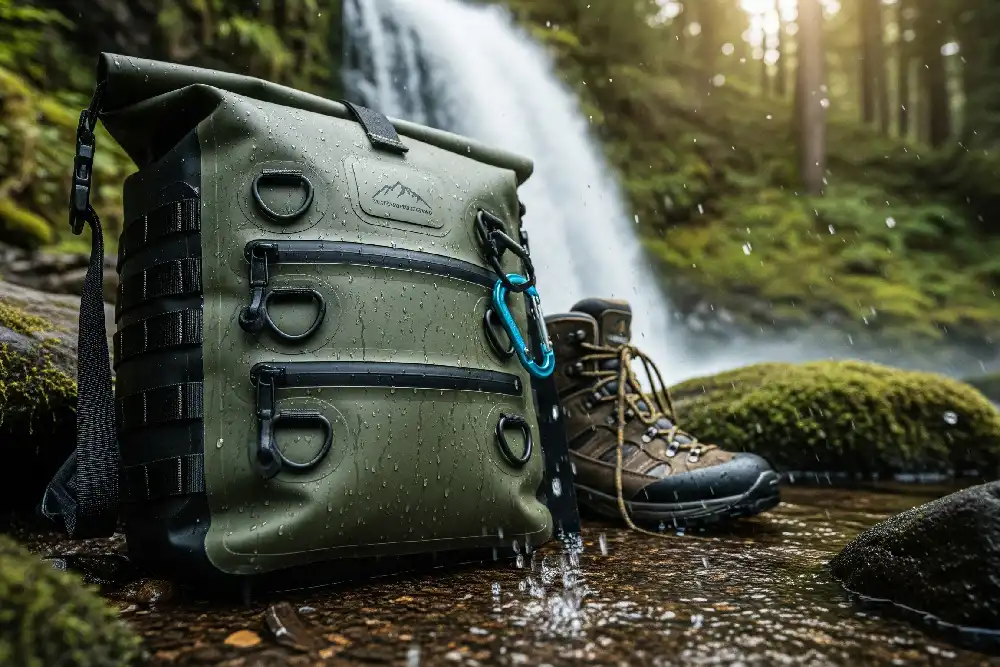
Waterproof and windproof layers
Pocket knife
Sun protection like sunglasses, a hat, and sunscreen
Emergency shelter, such as a tarp or space blanket
Check the weather before you go. Tell someone your plans. These steps help you stay safe and enjoy your adventure.
Know Your Limits
You need to know what your body can handle. Trails come in different levels, from easy to very hard. Many hiking groups rate each trip by fitness level. This helps you pick a trail that matches your ability. You can also look at past hikes to see how much distance and elevation you managed.
Some hikers use simple fitness tests, like the Step-up or Cooper test, to see how their heart rate responds to exercise. These tests give you a good idea of your limits before you try a tough trail. Always listen to your body and choose a hike that feels right for you.
Safety
Staying safe on the trail means knowing what risks you might face and how to handle them. Here are some common risks and ways to stay safe:
Risk Category
Description
Mitigation Strategy
Human Hazards
Harassment, blockades, dangerous drivers
Keep your distance, hide valuables, follow group leader instructions
Exercise-Induced Stress Response
Asthma attacks, sprains
Warm up, stay hydrated, prepare physically
Human-Environment Interaction
Pollution, heat-stroke
Drink water, wear the right clothes, watch for environmental changes
Physical-Environment Stress Response
Altitude sickness, weather changes, tough terrain
Acclimate to altitude, check weather, pick trails that match your skills
You make every hiking trip safer when you prepare, know your limits, and watch out for these risks. Take care of yourself and you help everyone have a better time outdoors.
Practice
Real Scenarios
Imagine you’re on a busy trail and see a group of hikers coming toward you. You step aside, smile, and let them pass. You feel good because you made the trail friendlier. Maybe you spot a candy wrapper on the ground. You pick it up and put it in your bag. That small action keeps the trail clean for everyone.
Sometimes, you might face a tough moment. Maybe someone is loud or leaves trash behind. You can set a positive example by staying calm and showing respect. Even experienced hikers run into challenges. As Dan Bruce shares in his Thru-Hiker’s Handbook:
“A good standard to live by on the AT (as in the rest of life), and the relatively few problems that develop among hikers could be eliminated if this simple rule were observed by everyone. It requires that you value and respect your fellow hikers in the same way you expect them to value and respect you.”
You help create a better hiking experience for everyone when you follow the golden rule, even when it’s hard.
Tips for Hikers
You can make every hike safer and more enjoyable with a few simple habits:
Taking breaks is important, too. Try to rest for 10-15 minutes every hour. Use this time to drink water, check your map, and adjust your gear. Short breaks help your body recover and let you enjoy the view. You’ll feel refreshed and ready for the next part of your adventure.
You help make hiking fun for everyone when you follow the golden rule. Respect nature by walking only on trails. Spread out in open spaces so you do not harm plants. Always take your trash with you when you leave. Be kind to other hikers by saying hello. Respect private property and do not go where you should not. Take care of yourself by planning your hike before you go. Know what you can handle and do not push too hard.
Step carefully so you keep nature safe.
Think about others and be nice to everyone you meet.
Are you excited for your next hike? Use these habits and help make the trail friendly for all.
FAQ
What should you do if you see trash on the trail?
Pick it up if you can do so safely. You help keep nature clean for everyone.
Tip: Carry a small bag for litter you find.
How do you handle loud hikers or music on the trail?
Stay friendly. You can politely ask them to lower the volume. Most people appreciate a gentle reminder.
Smile and say, “Could you please keep it down?”
Is it okay to hike alone?
Yes, you can hike solo. Always tell someone your plans and carry safety gear.
Safety Item
Why You Need It
Whistle
Signal for help
Map
Find your way
First aid kit
Treat injuries
What should you do if you see wildlife?
Watch animals from a distance. Do not feed or chase them.
Note: You protect wildlife by letting them stay wild.






Comments are closed