If you want to make the most out of your drying bags, you just need a few easy habits. Clean them often, store them in the right spot, and check for any signs of damage. These simple steps help the service life of the drying bag last longer. You save money and keep your gear working well. Anyone can follow these tips—no special skills needed!
Regularly clean your drying bag with mild soap to keep it fresh and strong.
Store your bag in a cool, dark place to prevent damage from heat and sunlight.
Check for leaks and inspect seams often to catch problems early.
Avoid overloading your bag to prevent stress on seams and material.
Practice proper closure techniques to ensure your gear stays dry.
Factors Affecting the Service Life of the Drying Bag
Material and Build
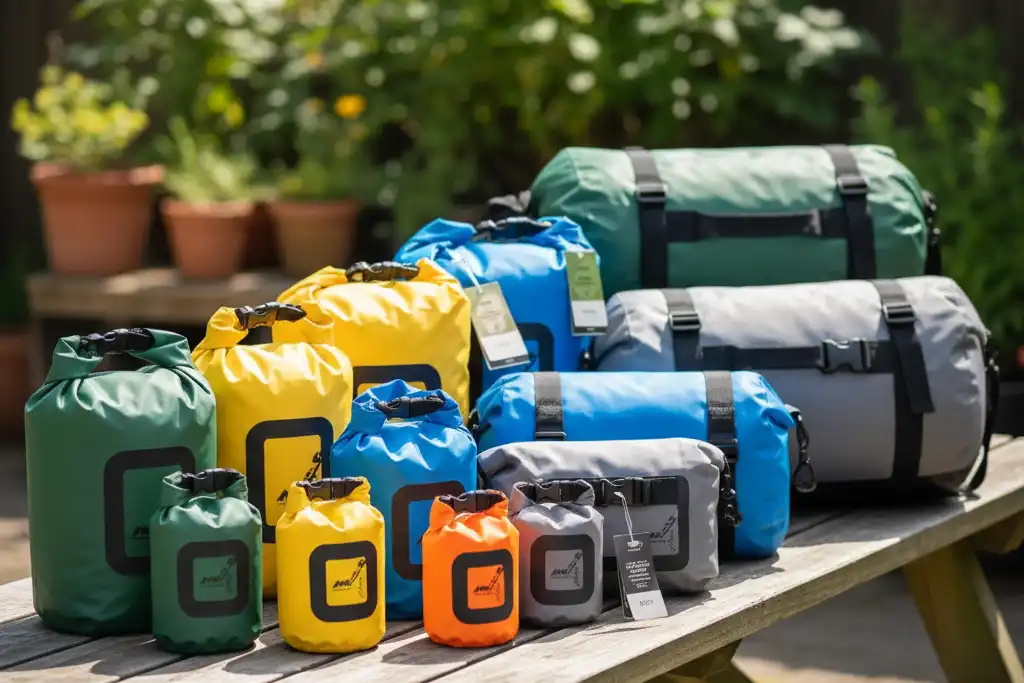
When you pick a drying bag, the material makes a big difference in how long it lasts. Some materials stand up to wear and tear better than others. Here’s a quick look at common materials and their features:
Material
Durability Factors
Characteristics
PVC
High resistance to punctures and abrasions
Robust and widely used
TPU
Flexibility and durability
Environmentally friendly and advanced
Nylon
Lightweight and strong
Highly water-resistant when treated
PVC bags handle rough use and resist punctures. TPU bags offer flexibility and last longer, plus they are better for the environment. Nylon bags feel light but stay strong, especially if treated for water resistance. The service life of the drying bag depends a lot on what it’s made from. For example, high-quality dry bags can last between 5 to 10 years if you use them with care.
Tip: Always check the seams and closures. Strong seams help prevent leaks and extend the service life of the drying bag.
Usage Frequency
How often you use your drying bag also matters. If you use it every weekend for camping or kayaking, it will wear out faster than if you use it just a few times a year. According to manufacturers, quality dry bags last 5 to 10 years with regular use. Wet bags usually last 1–3 years, while dry bags last 3–7 years. If you want your bag to last longer, avoid overstuffing and rough handling.
PUL-based bags last about 1.5 years.
TPU versions can last up to 3 years.
High-quality dry bags may last up to 10 years.
Exposure to Elements
Sun, heat, and moisture can shorten the service life of the drying bag. If you leave your bag in direct sunlight or a hot car, the material can break down faster. Water and dirt can also damage the fabric and seams. Try to keep your bag out of harsh weather when you’re not using it. Store it in a cool, dry place to help it last longer.
Note: Rinse off saltwater and mud after each trip. This simple habit keeps your bag in good shape for years.
Proper Use
Correct Closure
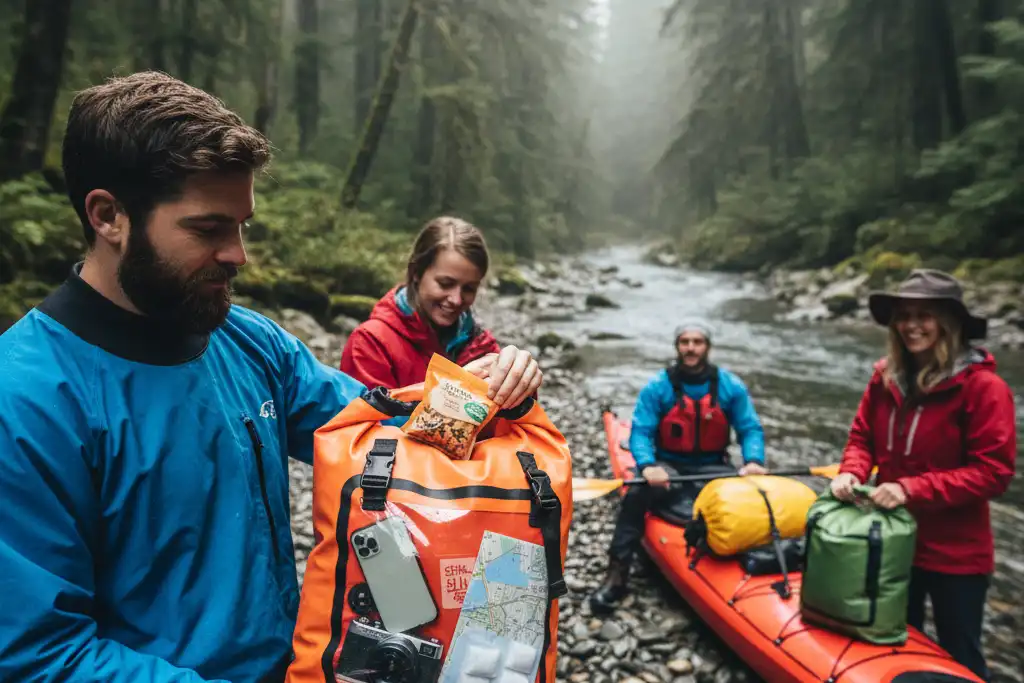
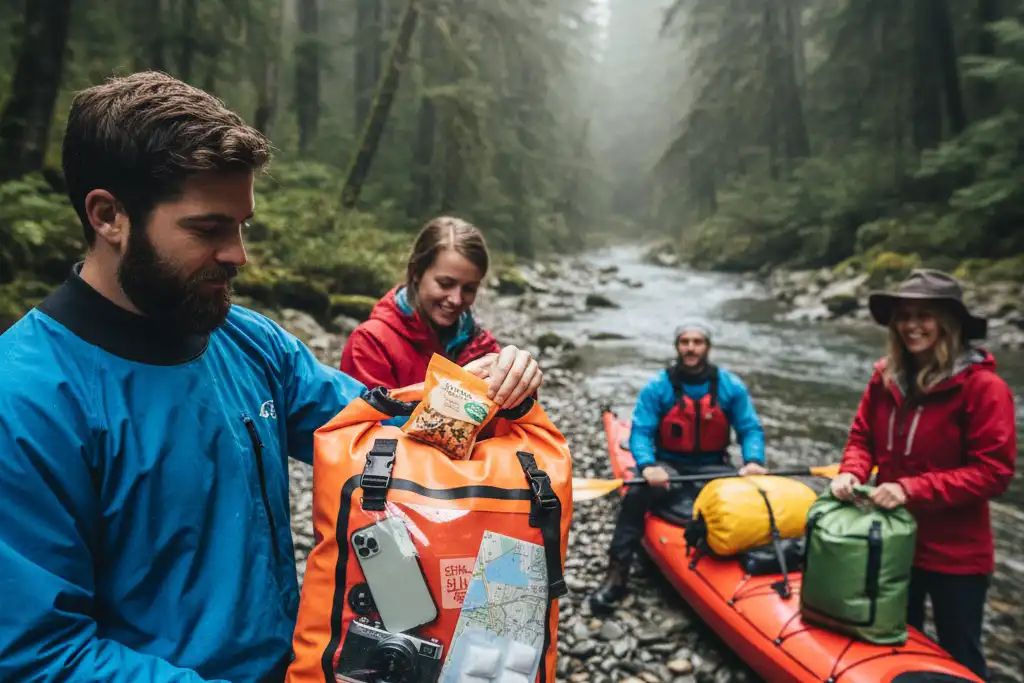
You want your drying bag to keep your gear safe and dry. Always double-check the closure before heading out. Most drying bags use roll-top closures. To seal it right, roll the top down at least three times, then clip the buckle. If you skip this step, water can sneak in. You should listen for a crisp snap when you close the buckle. That sound means you did it right.
Tip: Practice closing your bag at home. You’ll get faster and more confident, especially when you’re in a hurry outdoors.
Avoid Overloading
Stuffing too much into your drying bag can cause problems. Overloading stretches the seams and stresses the material. You might notice the bag bulging or struggling to close. This weakens the bag and shortens the service life of the drying bag. Try to pack only what you need. If you have extra gear, use a second bag instead.
Here’s a quick checklist to help you avoid overloading:
Pack only essentials.
Leave some space at the top for easy closure.
Check the weight before lifting.
Placement Tips
Where you put your drying bag matters. You should keep it away from sharp rocks, thorns, or rough surfaces. These can poke holes or scratch the fabric. If you’re on a boat, place the bag in a spot where it won’t slide around. On a hike, keep it off the ground when you rest. You can hang it from a branch or set it on a clean tarp.
Good Placement
Bad Placement
On a clean tarp
On sharp rocks
Hanging from a branch
In direct sunlight
Inside a tent
Near campfire
Smart placement helps you avoid damage and keeps your bag working longer. You’ll notice the service life of the drying bag improves when you treat it with care.
Storage Tips
Cool, Dark Places
You want your drying bags to last as long as possible. Storing them in a cool, dark place helps you do just that. Heat and sunlight can break down the material and cause fading or cracking. Humidity encourages mold and weakens the fabric. Here’s why you should choose a cool, dark spot:
You keep your bag away from humidity and light, which prevents mold and keeps the quality high.
You avoid temperature swings that can damage the seams and closures.
You protect the bag from direct sunlight, which can cause the material to degrade and lose strength.
Tip: Never leave your drying bag in a hot car or near a window. Sunlight and heat can warp plastic and shorten the service life of the drying bag.
Loose Storage
You might think packing your drying bag tightly saves space, but loose storage is better. When you store your bag loosely, air can move around it. This helps the bag dry out completely and keeps the fill from getting crushed.
One word on long-term storage – maybe the best reason to store your bag loose is to ensure that it can dry out thoroughly. Keeping a completely dry down bag compressed for a long period may do no harm, but keeping a damp down bag compressed (and a down bag is generally slightly damp at the end of a trip) will.
Use a jumbo cotton storage sack if you have one. It keeps the bag contained but lets air circulate.
Avoid compressing the bag for long periods. This prevents damage to the fill and seams.
Airtight Containers
Some people use airtight containers for storage. These can keep out moisture and pests, but they have drawbacks.
Many containers are not made for bulky items like drying bags.
You need to clean and dry them well between uses.
Improperly drained lids can cause mold.
Containers can be expensive and take up space.
Note: If you use airtight containers, check them often for cracks or moisture. Make sure your bag is completely dry before sealing it inside.
Maintenance
Keeping your drying bag in top shape is easier than you might think. With the right cleaning routine, careful drying, regular inspections, and a little attention to the seams, you can make sure your bag lasts for years. Let’s break down each step so you can get the most out of your gear.
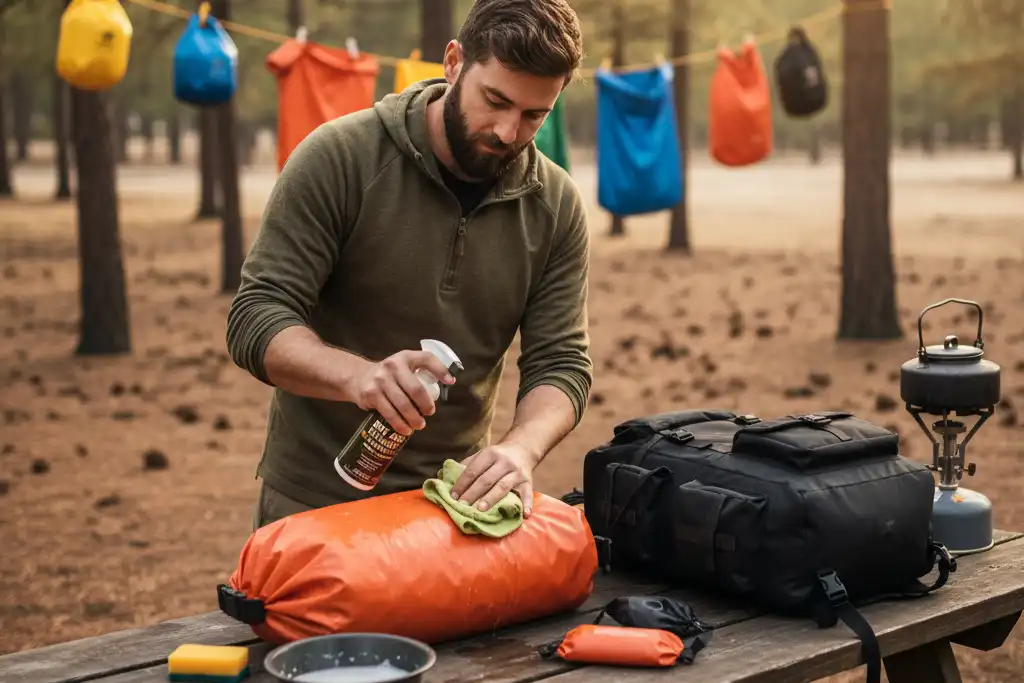
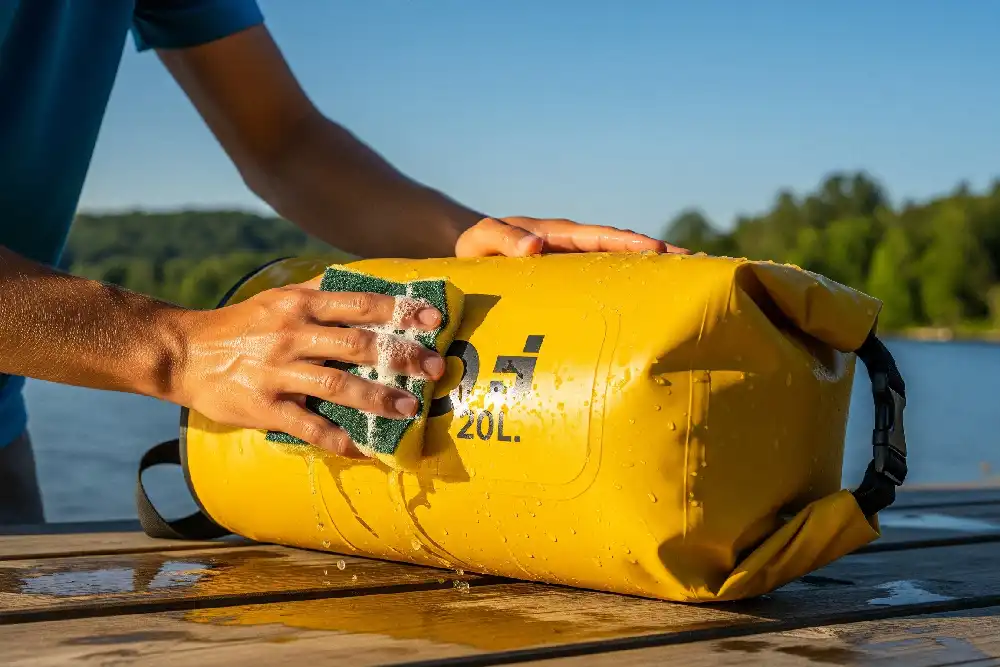
Use a soft cloth or sponge dampened with warm water and a mild, non-detergent soap to clean the bag.
Antibacterial Soap
Mix a mild antibacterial soap like Dawn dish soap with lukewarm water for cleaning.
Lemon Juice
Combine hot water, lemon juice, and table salt for a natural cleaner that removes odors and kills mold spores.
Clean your dry bag regularly based on how often you use it.
Consider exposure to dirt, salt, or contaminated water when deciding on cleaning frequency.
Avoid over-washing to prevent stressing the materials.
Start by emptying your bag and shaking out any debris. Use a soft cloth or sponge with your chosen cleaner. Gently scrub the inside and outside. Rinse well with clean water. Never use harsh chemicals or bleach, as these can damage the fabric and shorten the service life of the drying bag.
Tip: Deep clean your bag once or twice a year, especially if you use it in muddy or salty environments.
Air Drying
After cleaning, you need to dry your bag completely before storing it. Moisture left inside can cause musty smells or even mold. Here’s how you can air dry your bag the right way:
Lay a dry towel on a flat surface and place your bag on top.
Gently press or roll the towel over the bag to soak up extra water.
Switch to a fresh towel if the first one gets too wet.
Hang the bag upside down in a well-ventilated area. Make sure both the inside and outside dry fully.
Use a fan to speed up drying, but avoid direct heat like hair dryers or radiators.
Air dry in a well-ventilated room.
Avoid direct sunlight or heat to protect the material.
Make sure your bag is 100% dry before you put it away. This simple habit helps prevent mold and keeps your bag fresh for your next adventure.
Inspecting for Leaks
Checking for leaks is a smart way to catch problems early. You don’t want to find out your bag leaks when you’re out in the rain! Here’s a step-by-step way to inspect for leaks:
If you see bubbles, mark the spot. That’s where the leak is.
Dry the area and seal it with a patch or repair tape.
You can also try a drop test by pulling a vacuum and watching for changes over half an hour. For most people, the water submersion method works best at home.
Note: Inspect your bag for leaks at least once a season, or after any rough trip. Prompt repairs help extend the service life of the drying bag.
Seam Tape Care
The seams are often the first place to show wear. Seam tape keeps water out, so you want to check it often. Here’s a simple table to help you remember when to check and what to do:
Maintenance Task
Frequency/Condition
Visual Check
Every 5 uses
Re-tape if >10% loose
Check for peeling edges
Look closely at the seam tape every few trips. If you see peeling or loose edges, fix them right away. Use seam sealer or replace the tape if needed. Don’t wait for a small problem to get bigger.
Regular seam tape checks and quick repairs keep your bag waterproof and ready for anything.
When to Replace or Recharge
Signs of Wear
You want your drying bag to work every time you use it. Watch for these signs that tell you it’s time to replace or recharge:
The bag feels soft or thin in spots.
Seams start to peel or crack.
You notice small holes or tears.
The closure doesn’t seal tightly anymore.
Humidity indicator cards change color. If the card shows a relative humidity of 60% or higher, your bag may not keep things dry.
Humidity indicator strips give you a detailed look at moisture levels. If you see high readings, your desiccants might need changing.
Tip: Check the humidity indicator every time you use your bag. It gives you a quick way to spot problems before they get worse.
Recharging Methods
If your drying bag uses desiccants, you can recharge them instead of buying new ones. Here are two easy ways:
Oven Method: Preheat your oven to 250°F to 300°F. Spread the desiccants on a baking sheet. Heat them for 2 to 4 hours. Let them cool before putting them back in the bag.
Microwave Method (Silica Gel Only): Place silica gel in a microwave-safe container. Microwave for 5 to 10 minutes on medium heat. Check every few minutes to avoid overheating.
Both methods help restore the drying power of your bag. Always make sure the desiccants cool down before you handle them.
Note: Regular recharging keeps your bag working well and extends the service life of the drying bag.
Replacement Timing
Sometimes, recharging isn’t enough. You need to replace your drying bag when:
The bag has holes or tears that patches can’t fix.
The seams keep peeling, even after repairs.
The humidity indicator stays above 60% after you recharge the desiccants.
The closure won’t seal, no matter how you adjust it.
If you see these problems, it’s time for a new bag. Keeping track of these signs helps you avoid surprises during your next trip.
Replace If…
Recharge If…
Bag is torn or leaking
Humidity is high but bag is intact
Seams are damaged
Desiccants look saturated
Closure fails
Indicator card changes color
You protect your gear and save money by knowing when to recharge or replace your drying bag.
Common Mistakes
Ignoring Instructions
You might feel tempted to skip the instructions that come with your drying bag, but that can lead to trouble. Manufacturers know their products best, and their guidelines help you avoid damage. If you ignore drying instructions, you risk shrinking or stretching the bag. High heat can cause pilling or even melt the fabric. You may also see colors fade or bleed, which makes your bag look old fast. In the end, you could spend more money replacing a bag that should have lasted much longer.
Here are some common problems when you ignore instructions:
Shrinkage or stretching from improper drying.
Fabric damage or pilling from high heat.
Color fading or bleeding.
Needing to buy a new bag sooner than expected.
Always check the care label before you clean or dry your bag. This small step saves you time and money.
Using Damaged Bags
It might seem harmless to keep using a bag with a small tear or worn seam, but damaged bags can cause bigger issues. When a bag has holes or weak spots, pests and dirt can get inside. This can ruin the contents and even make them unsafe to use. Quality control experts say you should throw out any bag that has been exposed to pests or contamination. Sometimes, you need to check for harmful microorganisms if you suspect contamination.
Watch out for these risks:
Pests or dirt getting into your gear.
Contaminated contents that are unsafe to use.
Needing to throw away the whole bag to avoid health risks.
If you spot damage, fix it right away or replace the bag. Don’t take chances with your gear or your health.
Poor Storage
Storing your drying bag the wrong way can shorten its life. Moisture and heat are the biggest enemies. If you leave your bag in a hot car or pile heavy gear on top, you risk warping the shape or stressing the seams. Storing your bag with strong-smelling chemicals or fuels can also break down the material.
Here’s a quick look at how moisture and storage type affect your bag:
Mold, grain discoloration, bad smell, powdery dust
24
Non-hermetic
Spoilage, mold, and off odors
18
Hermetic
No visible mold growth
21
Hermetic
Mold only seen under a microscope, fermentation odor
Other common storage mistakes include:
Leaving the bag in a hot car.
Storing it with chemicals or fuels.
Piling heavy items on top.
Not drying the bag before storage.
Keep your bag dry, cool, and away from strong smells. Dry your gear to about 13% moisture before storage to stop mold and keep your bag fresh.
You can make the service life of the drying bag last much longer with a few simple habits. Clean your bag after each use, store it in a cool, dry place, and check for leaks or stains often. Try this quick checklist:
Dust and clean weekly.
Inspect hardware and seams.
Deep clean and disinfect monthly.
Store in a dust-proof cover.
Set reminders to revisit these tips. Regular care keeps your bag ready for every adventure!
FAQ
How often should I clean my drying bag?
You should clean your drying bag after every few uses, especially if it gets dirty or wet. If you use it in saltwater or mud, rinse it right away. Regular cleaning keeps your bag fresh and strong.
Can I put my drying bag in the washing machine?
No, you should not use a washing machine. Hand wash your drying bag with mild soap and water. Machines can damage the seams and fabric. Always air dry your bag after cleaning.
What should I do if my drying bag smells bad?
First, wash your bag with mild soap and water. If the smell stays, try a mix of lemon juice and water. Let it air dry in a well-ventilated area. This helps remove odors and keeps your bag fresh.
How do I fix a small hole in my drying bag?
You can patch small holes with repair tape or a patch kit. Clean and dry the area first. Press the patch on firmly. Check the repair before your next trip to make sure it holds.
Is it safe to store food in a drying bag?
Yes, you can store food in a clean, dry bag. Make sure the bag has no holes or smells. Keep food in sealed containers inside the bag for extra protection. This helps keep your food safe and dry.







Comments are closed