



- (+86) 187 5041 0800
- service@vancharli.com
- Within 24 hours response from our salesman
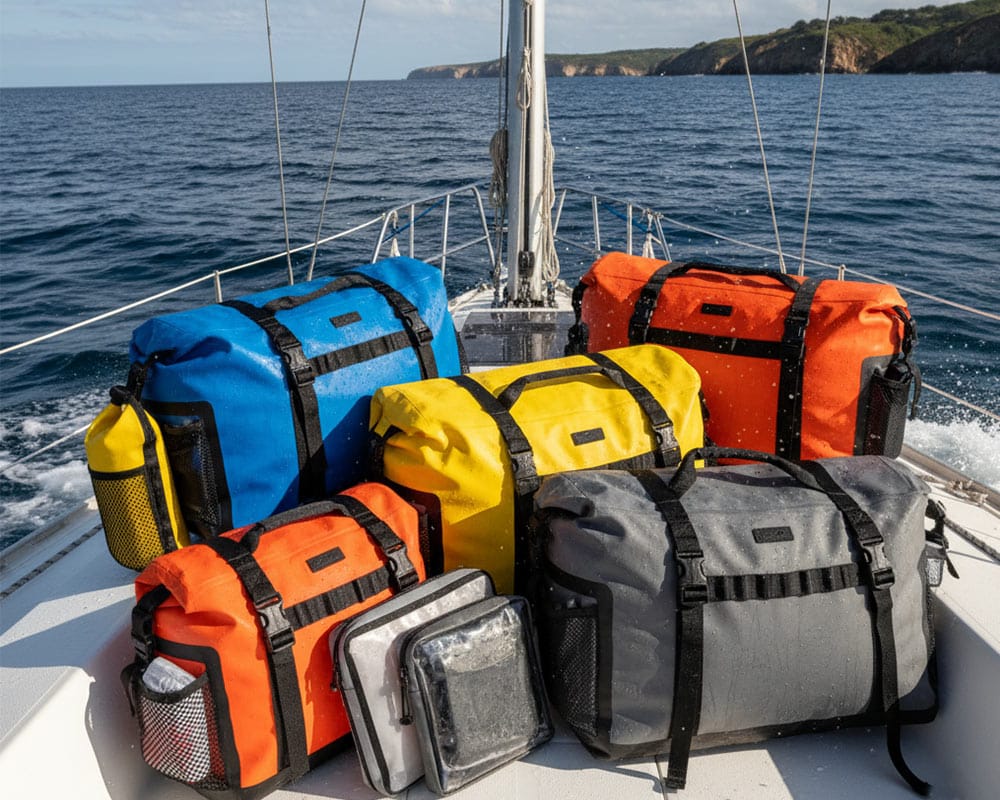
Reliable Protection for Marine, Yacht, and Boat Environments
Boating environments present a unique combination of challenges that go far beyond typical outdoor conditions. Unlike hiking or land-based travel, gear used on boats is constantly exposed to water splashes, high humidity, salt air, and unstable surfaces. Whether on yachts, fishing boats, sailing vessels, or small recreational boats, equipment is rarely placed in dry and stable conditions.
For brands and wholesale buyers, this means that standard outdoor bags are often not suitable for marine use. Products designed for boating must provide consistent waterproof protection, resist material degradation caused by salt and UV exposure, and remain stable even when the boat is in motion.
In addition, boating storage often involves mixed-use scenarios. Users need to store clothing, electronics, food, safety gear, and wet items within limited and irregular spaces. This creates demand for waterproof bags that are not only protective but also flexible, structured, and easy to organize.
As a professional OEM bag manufacturer, we support brands, importers, and distributors in developing waterproof boating bag collections tailored to marine environments. Our solutions focus on functional design, durable materials, and scalable production for long-term wholesale programs.
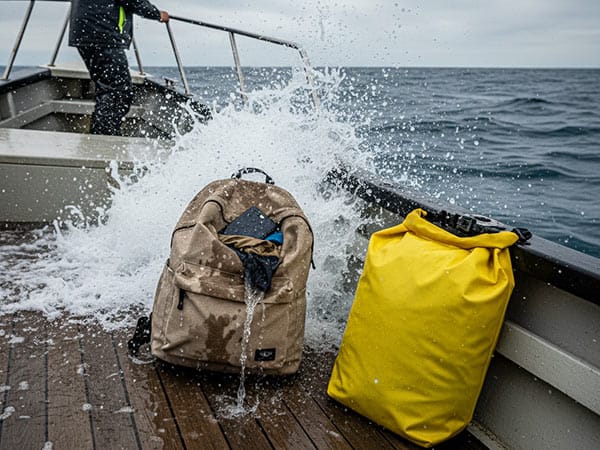
In boating environments, gear is exposed to constant splashes, rain, and in some cases, accidental submersion. Standard bags with stitched seams or non-coated fabrics often fail under repeated exposure. Over time, water penetration can damage clothing, electronics, and essential gear.
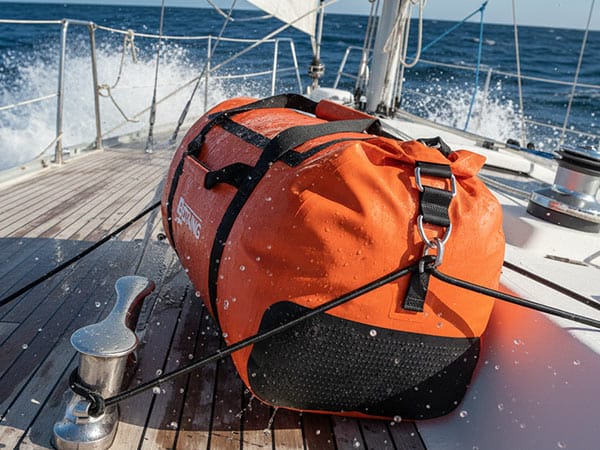
Boat movement introduces instability that does not exist in land-based environments. Bags can slide, tip over, or shift positions without proper attachment systems. This makes storage less efficient and can even create safety risks during navigation.
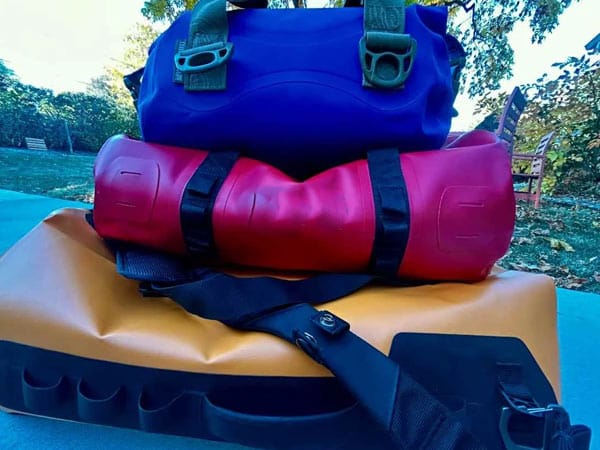
Boat compartments are often narrow, irregular, and difficult to access. Hard-shell luggage or rigid storage solutions are not suitable for these conditions. Flexible waterproof bags are preferred because they can adapt to tight and unconventional spaces.
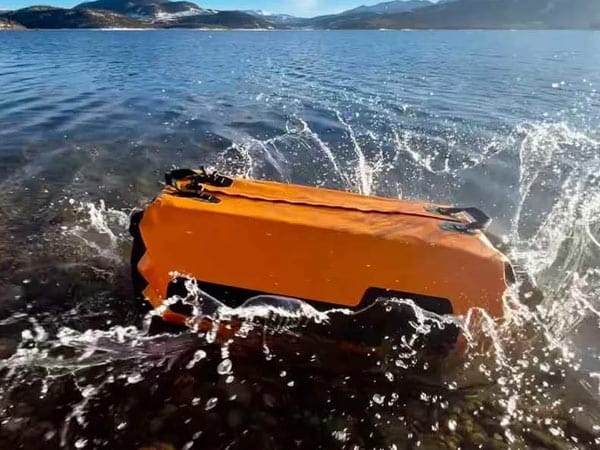
Saltwater, UV exposure, and humidity accelerate wear and tear on materials. Bags not designed for marine use may crack, fade, or lose waterproof performance over time. This requires materials with higher durability and resistance.
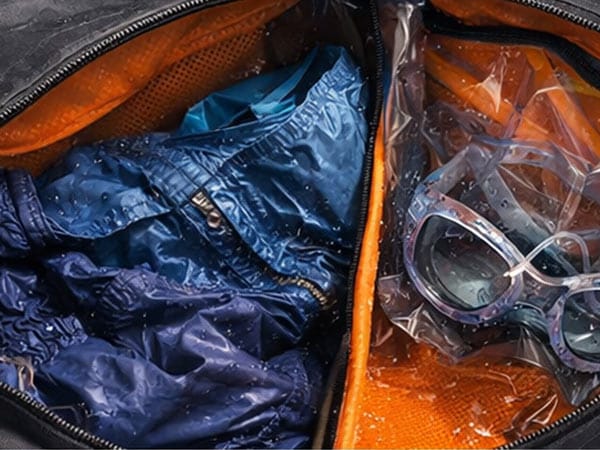
Boating activities involve both dry items and wet gear such as towels, swimsuits, or fishing equipment. Without proper separation, moisture can spread and affect other stored items.
Instead of relying on a single bag type, boating storage is typically achieved through a combination of waterproof solutions. Different bag types serve different purposes, allowing users to organize gear efficiently while maintaining protection against water exposure.
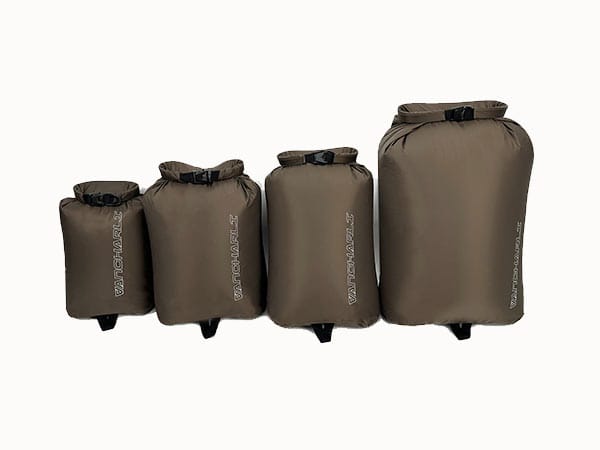
Dry bags are one of the most widely used solutions in boating environments. Their roll-top closure system creates a reliable seal that prevents water from entering even during splashes or brief submersion. Flexible construction allows them to be packed into tight compartments or irregular storage spaces.
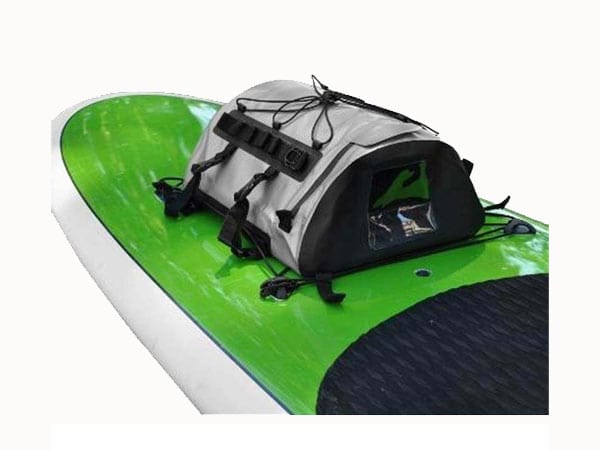
Deck bags are designed specifically for on-boat storage where accessibility and stability are critical. These bags are typically equipped with attachment systems such as straps, buckles, or D-rings that allow them to be secured to the boat deck. This prevents unwanted movement during navigation, especially in rough water conditions.
Deck bags are often used to store frequently accessed items such as navigation tools, small electronics, safety gear, or personal belongings. Their structured design makes them suitable for quick access while maintaining waterproof protection.
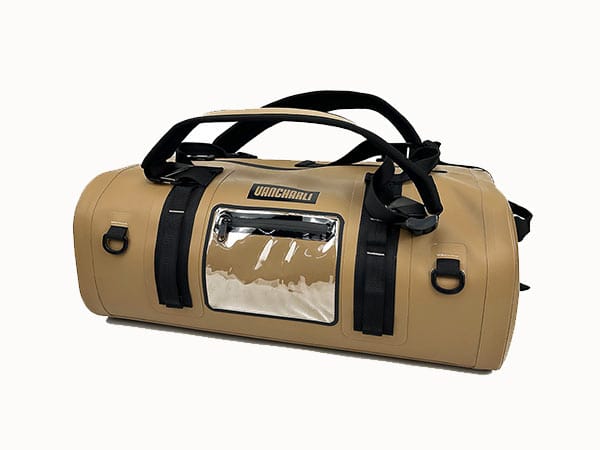
Waterproof duffel bags are ideal for larger storage needs during extended boating trips. They provide higher capacity for clothing, equipment, and supplies while maintaining water resistance. Compared to rigid storage options, duffel bags offer flexibility and easier handling.
These bags are commonly used in yacht trips, multi-day boating journeys, and coastal travel where bulk storage is required. Reinforced handles and shoulder straps improve portability, even when carrying heavy loads.
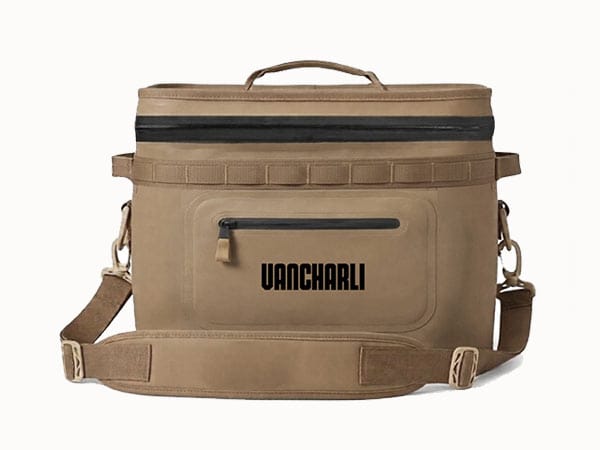
Cooler bags are an important part of boating storage systems, especially for long trips. These bags provide insulation to maintain the temperature of food, beverages, or catch. Waterproof construction ensures that melting ice or water exposure does not leak or affect surrounding gear.
In marine environments, cooler bags must combine insulation performance with waterproof sealing and durable materials to withstand exposure to sun and saltwater.
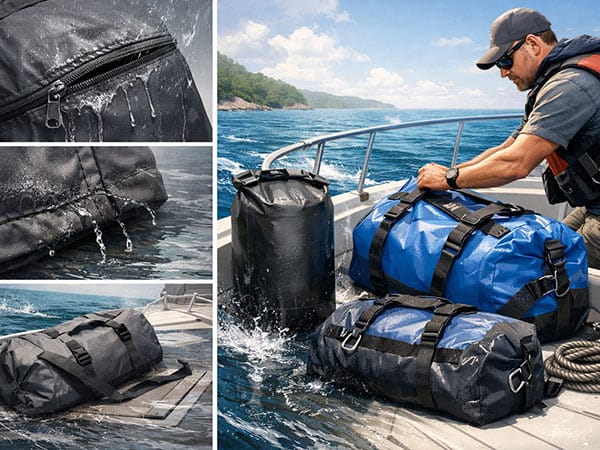
Most standard bags are designed for everyday or light outdoor use. They typically rely on zippers, stitched seams, and non-coated fabrics, which are not suitable for continuous exposure to water and marine conditions.
Zippers may allow water ingress under pressure, while stitched seams can become weak points over time. In addition, standard bags often lack fixing systems such as D-rings or straps, making them unstable on moving boats.
Because of these limitations, boating environments require purpose-built waterproof bags that combine sealing performance, structural stability, and durable materials designed for marine use.
Keywords covered:
waterproof boat bag, marine dry bag, boating waterproof storage
We support brands, wholesalers, and distributors in developing waterproof bag collections tailored for boating and marine environments.
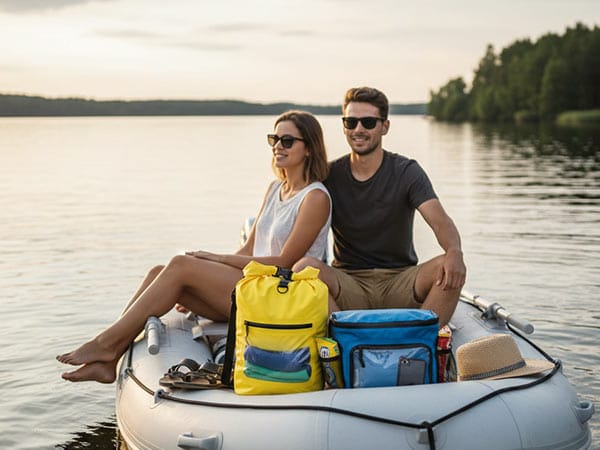
hoosing the right waterproof bag for boating depends on the type of activity, storage requirements, and environmental conditions. Different boating scenarios require different combinations of waterproof performance, capacity, and structural design.
If you need to store clothing, towels, or personal items, flexible dry bags are often the best choice. For larger gear or extended trips, waterproof duffel bags provide higher capacity.
For light splashes and short exposure, water-resistant bags may be sufficient. However, for marine environments with continuous exposure or risk of submersion, fully waterproof designs such as roll-top dry bags are recommended.
In boating scenarios, stability is critical. Bags with D-rings, straps, or deck attachment systems can prevent movement and improve safety.
Short trips require compact storage solutions, while multi-day boating trips require larger capacity bags to carry additional gear and supplies.
Materials used in boating bags should resist UV exposure, saltwater, and abrasion to ensure long-term performance.
Customization Options for Boating Waterproof Bags
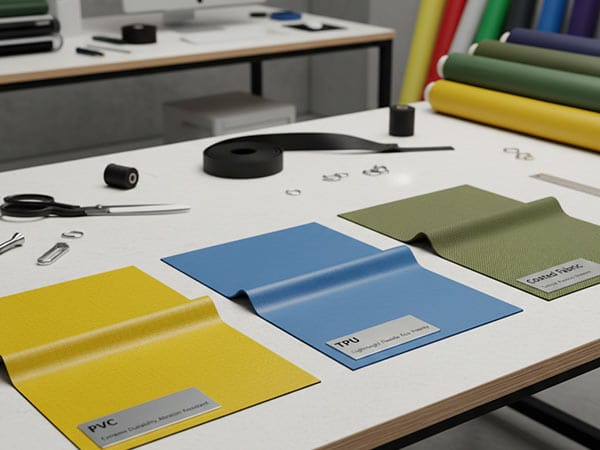
We offer a wide range of materials suitable for marine environments, including TPU-coated fabrics, PVC tarpaulin, and high-density polyester. These materials provide strong resistance to water, UV exposure, and abrasion.
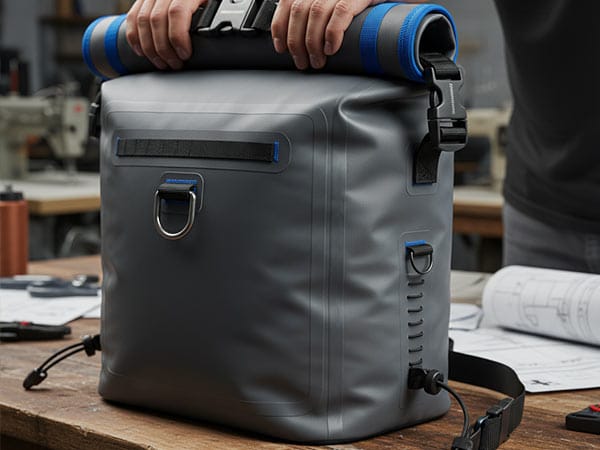
Custom attachment systems such as straps, buckles, and D-rings can be added to improve stability on moving boats.
We support custom internal layouts such as dry/wet separation, electronics compartments, and modular storage structures.
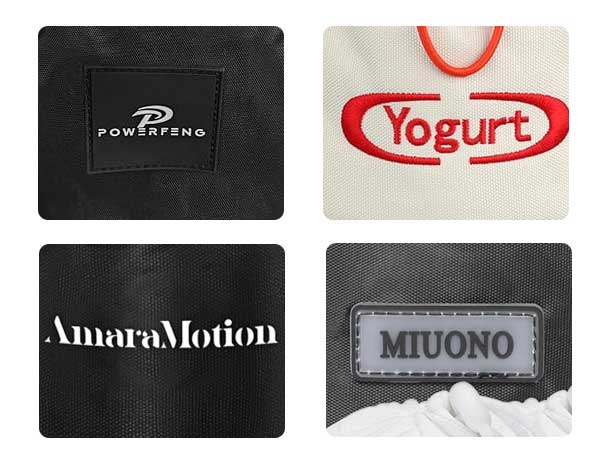
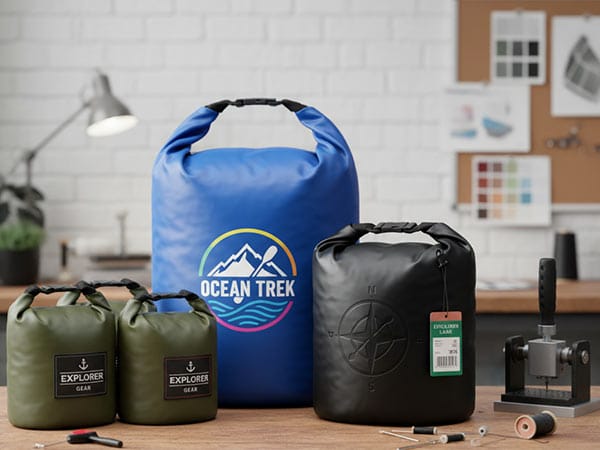
OEM branding options include logo printing, color customization, and packaging solutions for retail and wholesale markets.
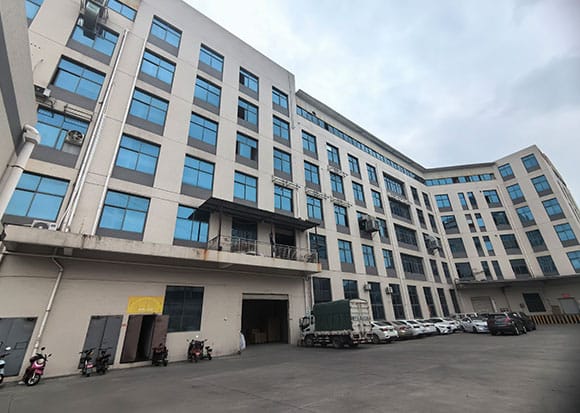
Why Work With Our Bag Factory
We produce dry bags, deck bags, duffel bags, and cooler bags.
Typically starts from 100 pieces depending on design.
Yes, including TPU, PVC, and polyester fabrics.
We offer different waterproof levels depending on construction.
Yes, full customization is available.
Usually 45-60 days depending on order size.
Yes, we serve brands worldwide.
Yes, recycled materials are available.
✅ Submit an inquiry for:


WhatsApp us