Lista di controllo per l'ispezione della qualità delle borse per laptop per ordini all'ingrosso
Un controllo di qualità di una borsa per laptop dovrebbe verificare cinque aspetti: che l'ordine all'ingrosso corrisponda al campione approvato, che lo scomparto per il laptop sia adatto al dispositivo previsto, che l'imbottitura e la struttura di supporto funzionino come specificato, che tutta la componentistica e il marchio siano corretti e che la spedizione sia imballata secondo l'ordine di acquisto.
Una borsa può sembrare perfettamente accettabile al momento dell'ispezione, ma risultare comunque inadeguata nell'uso. Lo scomparto per il laptop potrebbe restringersi eccessivamente dopo l'inserimento dell'imbottitura e del rivestimento interno. I pannelli anteriore e posteriore potrebbero sembrare ben imbottiti, mentre gli angoli inferiori rimangono scoperti. Anche la tracolla potrebbe apparire sicura finché la borsa non viene riempita.
Ecco perché una borsa per laptop necessita di una lista di controllo specifica per il prodotto, anziché di un controllo generico su tessuto, cuciture e cerniere.
Questa guida è pensata per marchi, importatori, grossisti, team di approvvigionamento, sviluppatori di prodotto, team di controllo qualità in fabbrica e ispettori esterni che esaminano ordini all'ingrosso di borse per laptop.
Copertura imbottita, fondo sospeso, angoli inferiori, punti di fissaggio interni
Edilizia
Cucitura, cuciture, bordatura, punti di rinforzo, rinforzo dei punti di stress
Sistema di trasporto
Maniglie, spallacci, cinghie per zaino, regolatori, passante per trolley
Hardware
Cerniere, tiretti, fibbie, ganci, bottoni a pressione, anelli a D, finiture in metallo
Funzioni del prodotto
Tasche, chiusure, espansione, cavo USB, organizzazione degli accessori
Branding
Logo, etichette, cartellini, codici a barre, informazioni SKU
Prestazioni
Compatibilità del dispositivo, carico trasportabile, funzionamento della cerniera, scivolamento della cinghia
Packaging
Piegatura, protezione, sacchetti di plastica, marchi di cartone, quantità
Risultato dell'ispezione
Classificazione dei difetti, risultato AQL, rilavorazione, approvazione o rifiuto
Il resto di questa guida spiega come ispezionare ciascuna area e come trasformare i risultati in una decisione chiara in merito alla spedizione.
Cosa dovrebbe rivelare un'ispezione della borsa del laptop?
Un'ispezione completa dovrebbe rispondere a cinque domande pratiche:
La spedizione corrisponde al campione approvato e alle specifiche scritte?
Lo scomparto per il laptop è adatto ai dispositivi previsti?
La struttura garantisce il livello di protezione del laptop concordato?
Le cinghie, le maniglie, le cerniere, le tasche e la componentistica funzionano correttamente?
Le quantità, il marchio, l'assortimento, l'etichettatura e l'imballaggio sono corretti?
Un'ispezione non consiste semplicemente nella ricerca di difetti visibili. Si tratta di un confronto documentato tra la merce finita e uno standard concordato tra acquirente e fornitore.
In assenza di un riferimento concordato, un ispettore potrebbe accettare un problema che un altro considera inaccettabile.
Preparare lo standard di ispezione prima della fine della produzione.
Le decisioni sulla qualità diventano rapidamente soggettive quando l'acquirente, la fabbrica e l'ispettore lavorano con campioni o versioni della documentazione differenti.
Prima dell'ispezione, preparare:
Campione di pre-produzione approvato o campione di riferimento sigillato
Ultimo pacchetto tecnico o scheda tecnica
Distinta materiali
Tabella delle misure e delle tolleranze
Riferimenti approvati per tessuti, fodere, imbottiture e cinghie
Colore standard o campione di laboratorio approvato
Dimensioni di posizionamento e grafica del logo
Istruzioni per l'imballaggio
Dettagli dell'ordine di acquisto e dell'assortimento
Requisiti per i test di prodotto
Guida alla classificazione dei difetti
Piano di campionamento AQL concordato
Documentazione relativa alle modifiche di progettazione o dei materiali approvate
Assicurati che il numero di revisione o la data di approvazione siano chiaramente indicati. Una scheda tecnica obsoleta può generare controversie inutili, anche quando la fabbrica ha seguito l'ultima modifica approvata.
Il campione di riferimento deve supportare le specifiche scritte, non sostituirle. Requisiti quali la densità della schiuma, la composizione del materiale, le prestazioni del rivestimento, gli strati di rinforzo o il margine di cucitura interno potrebbero non essere visibili in una borsa finita.
Scegliere la fase di ispezione corretta
Un'ispezione finale a campione è prassi comune prima della spedizione, ma non può prevenire ogni possibile problema di produzione.
Un nuovo progetto richiede in genere più verifiche in corso d'opera rispetto a un ordine ripetuto e consolidato, soprattutto quando il progetto utilizza nuovi materiali, una nuova struttura di imbottitura o un nuovo fornitore.
Ispezione del materiale in entrata
Questa fase conferma che il tessuto, la fodera, la schiuma, le cinghie, il filo, le cerniere, le fibbie e gli altri componenti corrispondano alla distinta base approvata prima di entrare in produzione.
È particolarmente utile quando:
Il tessuto esterno presenta uno speciale rivestimento o laminazione
È stato sviluppato un colore personalizzato
La borsa utilizza cerniere o componenti di marca specifici
Lo spessore o la densità della schiuma è importante
Vengono utilizzati diversi materiali visivamente simili
Ispezione in-process
Le ispezioni sulla linea di produzione possono individuare i problemi quando sono ancora relativamente facili da correggere.
Tra i punti di controllo utili si annoverano:
Dimensioni di taglio
Posizionamento della schiuma
Struttura del vano per laptop
Posizione tascabile
Rinforzo per maniglia e cinghia
Qualità delle cuciture
Posizionamento del logo
Sequenza di montaggio
Un posizionamento errato dell'imbottitura è molto più difficile da riparare dopo che la fodera e i pannelli esterni sono stati completamente assemblati.
Ispezione finale casuale
Un'ispezione finale a campione valuta i prodotti finiti e imballati provenienti da tutta la spedizione.
Viene normalmente utilizzato per supportare la decisione finale di:
Approva la spedizione
Richiede rilavorazione
Organizzare una nuova ispezione
Metti in sospeso la spedizione
Rifiutare la spedizione
La fase di ispezione dovrebbe riflettere il rischio del prodotto e la cronologia degli ordini, anziché seguire lo stesso processo per ogni progetto.
1. Verificare la quantità e l'assortimento dell'ordine
Iniziate dall'ordine di acquisto, non dal singolo sacchetto.
Confermare:
Quantità totale del prodotto finito
Quantità disponibile per l'ispezione
Percentuale già imballata
Dettaglio del modello o SKU
Assortimento di colori
Assortimento taglie, se applicabile
Assegnazione della destinazione o del cliente
Quantità nella confezione interna
Unità per cartone
Accessori inclusi
Unità di ricambio o componenti di ricambio
I campioni devono provenire da cartoni diversi e da diverse parti della spedizione. Ispezionare solo i cartoni già aperti, o i prodotti posizionati nella parte superiore, potrebbe produrre un risultato non rappresentativo.
Le carenze, le eccedenze di quantità e gli errori di assortimento devono essere registrati separatamente dai difetti di fabbricazione. Una borsa può essere ben fatta e non soddisfare comunque i requisiti commerciali dell'ordine se vengono imballati colori o quantità errati.
2. Confrontare la produzione in serie con il campione approvato
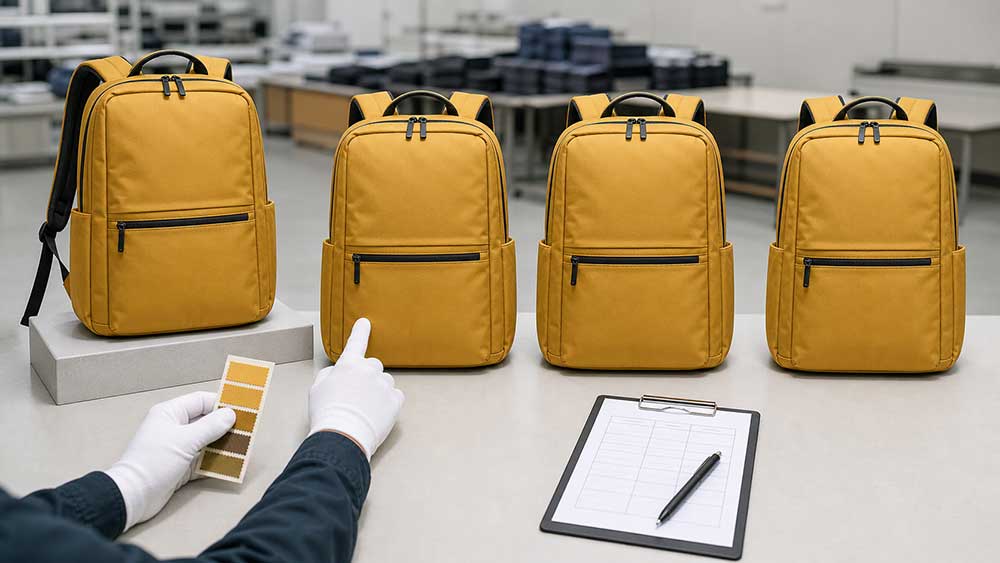
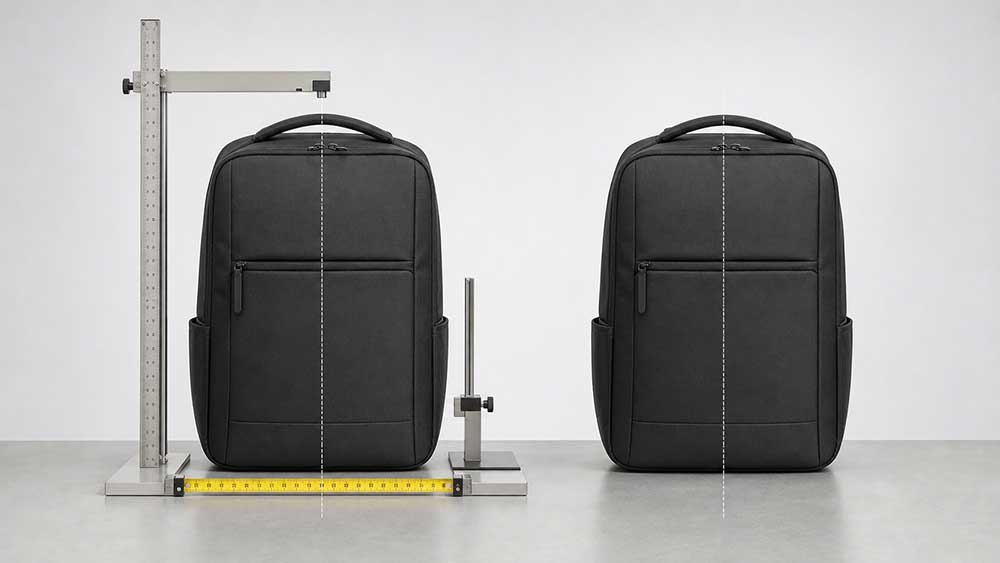
Posizionare il campione di riferimento approvato accanto a diverse unità di produzione selezionate a caso.
Confronta:
Silhouette e proporzioni generali
Trama e rigidità del tessuto
Colore e tonalità
Peso complessivo e sensazione al tatto
Forma del pannello
Posizione tascabile
Forma di apertura
Costruzione di maniglia e tracolla
Dimensioni e posizione del logo
Colore e finitura della ferramenta
Colore della fodera
Organizzazione interna
Presentazione dell'imballaggio
Non tutte le borse morbide si piegano esattamente allo stesso modo. Gli ispettori dovrebbero concentrarsi sulle differenze che riguardano il materiale, la struttura, le dimensioni, l'aspetto o la funzionalità.
Ad esempio, un sacco per materiali sfusi potrebbe apparire simile al campione approvato, ma risultare sensibilmente più sottile al tatto. Ciò può indicare una variazione nel tessuto esterno, nella fodera, nell'imbottitura, nei rinforzi o nel peso dei componenti e dovrebbe essere oggetto di indagine anziché essere liquidato come normale variazione.
3. Ispezionare il tessuto, la fodera, la schiuma e i componenti
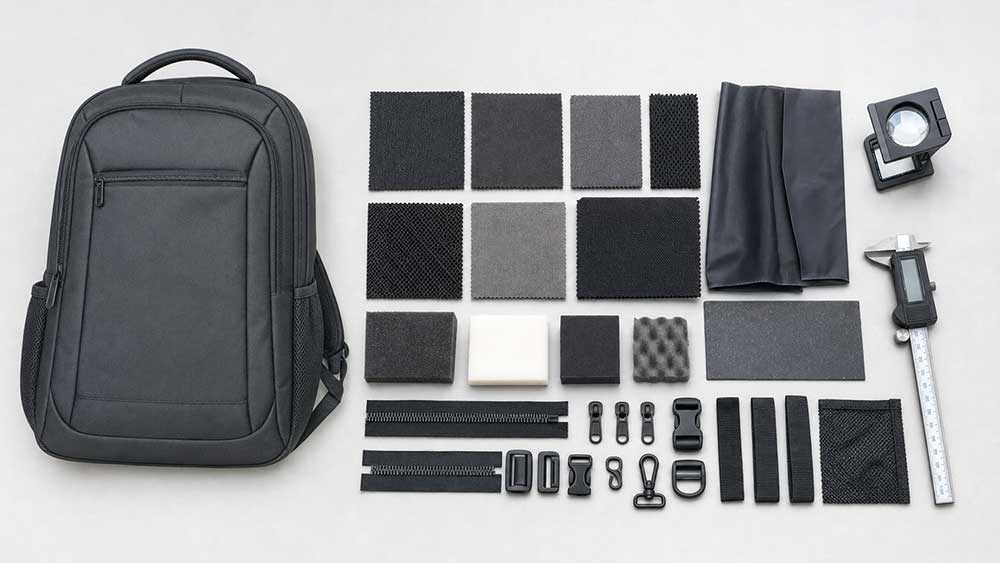
I materiali devono essere verificati confrontandoli con la distinta base approvata e con i riferimenti fisici.
Tessuto esterno
Confermare il tipo di materiale, la struttura, il colore, il rivestimento, la laminazione e la finitura superficiale.
Cercare:
Buchi, tagli o fili tirati
Difetti di tessitura o lavorazione a maglia
Macchie, aloni d'olio o residui di colla
Differenze di tonalità tra i pannelli
Pieghe permanenti
Difetti di stampa
Sbucciatura o screpolatura
Inconsistenza del rivestimento
delaminazione
Rigidità o morbidezza insolite
Un tessuto resistente all'acqua non deve essere automaticamente definito impermeabile. Le prestazioni di una borsa finita dipendono anche dalle cerniere, dalle cuciture, dai fori dell'ago, dalle aperture e dalla costruzione generale.
Fodera
Verificare che la fodera sia:
Il materiale e il colore corretti
Installato nella direzione corretta
Pulito e privo di fori
Fissare bene intorno alle aperture delle tasche
Privo di torsioni o allentamenti eccessivi.
Fissato correttamente attorno al vano del laptop
Privo di bordi grezzi a vista
Una fodera allentata può sembrare un problema estetico, ma può impigliarsi nell'angolo del computer portatile, nella cerniera, nel caricabatterie o in altri oggetti durante l'uso quotidiano.
Schiuma e rinforzo
Dai un'occhiata:
Tipo di schiuma
Spessore in punti di misurazione specificati
Densità e recupero
Copertura intorno al vano del laptop
Posizione all'interno di ciascun pannello
Spazi vuoti, pieghe o accartocciamenti
Ingiallimento o cedimento fisico
Rinforzi sotto maniglie e cinghie
Pannelli o lamiere strutturali, ove specificato
Lo spessore da solo non determina la protezione. Il tipo di schiuma, la densità, la copertura, la resistenza alla compressione, la vestibilità e il metodo di fissaggio influenzano tutti le prestazioni del vano per laptop.
Utilizzare i punti e i metodi di misurazione indicati nella scheda tecnica approvata.
Le misurazioni tipiche includono:
Larghezza complessiva
Altezza complessiva
Profondità complessiva
Larghezza dell'apertura principale
Dimensioni e posizione delle tasche
Maniglia a caduta
Lunghezza tracolla
lunghezza della tracolla dello zaino
larghezza manica del carrello
larghezza, altezza e profondità del vano per laptop
Le borse morbide possono presentare misure diverse a seconda che vengano misurate in piano, in posizione verticale, riempite o leggermente tensionate. Il metodo di misurazione deve pertanto rimanere coerente con quello utilizzato durante l'approvazione del campione.
Controllare anche:
Simmetria da sinistra a destra
Allineamento della tasca
Allineamento del pannello
Forma base
Forma di bordatura o di legatura
Sia che la borsa rimanga in piedi o si pieghi come previsto
Se il corpo si torce quando è vuoto
Le cuciture si deformano quando la borsa viene caricata
La gravità di un problema di misurazione dipende dal suo effetto.
Una piccola differenza in un pannello decorativo esterno può avere un impatto limitato. Una differenza simile in corrispondenza dell'apertura per il laptop potrebbe impedire l'inserimento del computer previsto.
5. Verificare lo spazio disponibile per il laptop e la compatibilità del dispositivo.
È qui che l'ispezione di una borsa per laptop si differenzia da quella di uno zaino o di una borsa da lavoro generica.
Non approvare il vano basandoti solo sull'etichetta relativa alle dimensioni dello schermo, come ad esempio 13 pollici, 14 pollici o 15.6 pollici. I computer portatili con le stesse dimensioni dello schermo dichiarate possono avere dimensioni del corpo, spessori, cerniere e profili degli angoli diversi.
Dai un'occhiata:
Larghezza interna utilizzabile
Altezza interna utilizzabile
Profondità interna
Larghezza dell'apertura del vano
Spazio perso a causa dell'imbottitura
Posizione del divisore
Spazio sufficiente per chiudere il vano senza premere contro il laptop
Spazio intorno al dispositivo bersaglio
Movimento quando la borsa viene trasportata
Montare dopo aver caricato gli altri scomparti
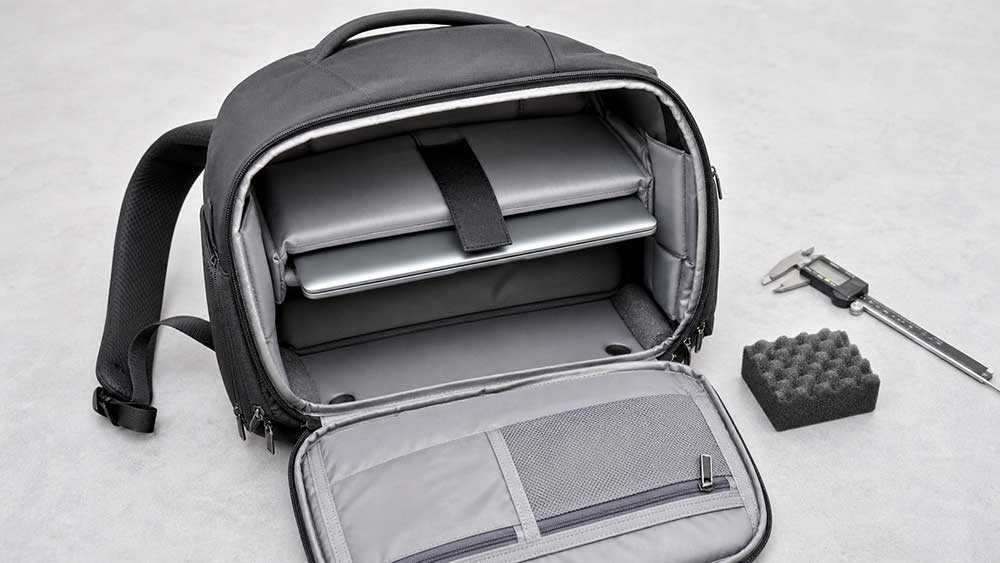
Le dimensioni del vano utilizzabile devono essere misurate dopo l'installazione della schiuma e del rivestimento. Le dimensioni del pannello esterno non indicano quanto spazio funzionale rimane all'interno.
Per il test di adattamento, utilizzare:
Il laptop di destinazione effettivo
Un modello di dispositivo rigido
Una scheda di prova dimensionalmente precisa
Un modello di taglia approvato dall'acquirente
Inserire e rimuovere il dispositivo più volte.
Il dispositivo dovrebbe:
Entrare senza forzare eccessivamente
Sedersi all'interno della zona imbottita prevista
Rimanere ragionevolmente stabile durante il trasporto
Evitare il contatto diretto con componenti rigidi
Deve essere rimovibile senza impigliarsi nella fodera o nella cerniera.
Lasciare che il vano si chiuda normalmente
La differenza tra le dimensioni dello schermo e le dimensioni effettive del dispositivo è spiegata in modo più dettagliato in questa guida su come misurare un laptop per inserirlo in una borsa.
6. Ispezionare l'imbottitura, lo spazio libero sul fondo e la protezione degli angoli.
La sola compatibilità non basta. Il dispositivo deve anche rimanere all'interno dell'area protetta quando la borsa viene sollevata, appoggiata o completamente riempita.
Protezione inferiore
Verificare che la schiuma o il rinforzo specificato si estenda anche sotto il laptop.
Verificare se il dispositivo è in grado di contattare:
La cucitura inferiore esterna
Una tavola con fondo rigido
Piedini in metallo
Rivetti
cuciture interne spesse
Componenti strutturali non rivestiti
Scomparto sospeso per laptop
Se il modello prevede uno scomparto sospeso, misurare la distanza tra il fondo dello scomparto e il fondo esterno della borsa.
Confermare che:
L'altezza della sospensione corrisponde alle specifiche
Il vano non collassa sotto il normale peso del dispositivo
Il laptop non può scivolare al di sotto della zona protetta
Il pannello sospeso è fissato saldamente
La distanza risulta ragionevolmente costante tra le unità campionate.
Un fondo sospeso offre un'utilità limitata se il pannello si allunga o si deforma non appena viene inserito un computer portatile.
Protezione dell'angolo inferiore
Verificate che entrambi gli angoli inferiori rimangano all'interno dell'area imbottita.
Uno scomparto può avere una spessa imbottitura anteriore e posteriore, lasciando però uno spazio nel punto in cui i pannelli laterali inferiori incontrano la base. Poiché gli angoli spesso subiscono urti quando una borsa viene appoggiata, questi spazi sono importanti.
Copertura laterale e frontale
Verificare che la schiuma non si interrompa troppo al di sotto della parte superiore del dispositivo di destinazione e che non lasci ampie sezioni dei lati scoperte.
Punti di fissaggio interni
Passa la mano all'interno del vano vuoto, quindi ispezionalo nuovamente con il dispositivo di prova inserito.
Cercare:
Parte posteriore dei rivetti a vista
Ferma cerniera
teste delle viti
Accessori per logo in metallo
Accumuli di cuciture dure
Estremità di rilegatura affilate
Attacchi con fibbia o gancio
Tavole strutturali a vista
Durante il normale utilizzo, nessun componente rigido deve premere direttamente contro il laptop.
Conservazione del laptop
Se lo scomparto è dotato di una cinghia, una linguetta, un bordo elastico o una chiusura a strappo, verificare che trattenga il dispositivo senza graffiarlo o esercitare una pressione eccessiva sull'area dello schermo.
Uno scomparto affidabile per laptop combina vestibilità, copertura, protezione del fondo, protezione degli angoli e stabilità strutturale. Questi fattori sono discussi anche nell'articolo "Cosa rende una borsa per laptop di qualità?".
7. Ispezionare cuciture, rinforzi, maniglie e cinghie
La qualità delle cuciture dovrebbe essere valutata sia in base all'aspetto che alla funzionalità.
Ispezionare le cuciture visibili e interne per verificare:
Punti saltati
punti rotti
tensione del filo allentato
cuciture eccessivamente strette
Lunghezza del punto non uniforme
cuciture aperte
Cucitura indietro debole
Cucitura storta
bordi grezzi
Legame incompleto
Fare il muso
Fori dell'ago al di fuori della cucitura prevista
Fili non tagliati
Colore del filo errato
Presta particolare attenzione alle aree soggette a carichi elevati:
Basi per maniglie
Attacchi per tracolla
radici delle cinghie dello zaino
D-ring
Manicotti per trolley
Rinforzi laterali
angoli inferiori
Estremità della cerniera
Ganci per tracolla rimovibili
Punti di fissaggio per il vano laptop
Verificare la presenza delle impunture di rinforzo, delle impunture a punto quadro, delle impunture a punto croce, delle toppe di rinforzo o dei materiali di supporto interni specificati.
Non approvate un rinforzo solo perché sembra robusto. Deve essere compatibile con la costruzione approvata.
Funzione maniglia e tracolla
Dai un'occhiata:
larghezza e lunghezza corrette
Posizionamento simmetrico
direzione della fettuccia
Rinforzo al di sotto dei punti di fissaggio
Regolazione regolare
Stabilità della fibbia e del cursore
Nessuna sfilacciatura della fettuccia
Niente cinghie attorcigliate
Posizione corretta dell'imbottitura
Nessuno slittamento imprevisto
Per un controllo di carico di base in loco, caricare il sacco secondo i requisiti di prova approvati e sollevarlo attraverso ciascun punto di trasporto previsto.
Guardare per:
Apertura della cucitura
Rottura della cucitura
Slittamento della cinghia
Deformazione dell'hardware
Suoni crepitanti
Movimento della maniglia
Distorsione permanente
La misurazione della forza di trazione controllata, i cicli di fatica ripetuti e le relazioni formali sulle prestazioni richiedono in genere attrezzature di prova adeguate. Un semplice test effettuato in sala di ispezione non deve essere considerato un sostituto delle prove di laboratorio obbligatorie.
8. Controllare cerniere, fibbie e componenti metallici
Aprire e chiudere tutte le cerniere delle unità ispezionate.
Dai un'occhiata:
Movimento fluido
Direzione di apertura corretta
Allineamento del cursore
Fermo superiore e inferiore
Nessuna separazione dei denti
Nessun tessuto che si impiglia
Nessuna eccessiva ondulazione del nastro della cerniera
Tiratore corretto
Fissaggio sicuro dell'estrattore
Colore corretto della cerniera e del nastro
Coerenza tra le unità
Ispezionare fibbie, regolatori, ganci, bottoni a pressione, magneti, anelli a D e finiture metalliche per verificare:
Modello e taglia corretti
Orientamento corretto
Installazione sicura
Operazione liscia
Capacità di mantenimento
Crepe o deformazioni
Bordi taglienti
Ruggine o ossidazione
Bolle di placcatura
Finitura sfogliante
Incoerenza del colore
L'hardware influisce sull'accessibilità, sul comfort di trasporto, sull'aspetto e sulla durata nel tempo. Gli acquirenti che progettano borse da lavoro o per laptop possono trovare ulteriori punti di approvazione dei componenti in questa guida all'hardware per borse da lavoro.
9. Tasche di prova e funzioni del prodotto
Ogni tasca e ogni elemento indicato nelle specifiche approvate devono essere presenti, posizionati correttamente e utilizzabili.
A seconda del progetto, testare:
Accesso al vano principale
Chiusura del vano per laptop
Porta tablet
Custodia per documenti
Tasca per caricabatterie
Passanti per penna
Fermaglio per chiavi
Tasca portabottiglie
Tasca nascosta
Tasca antifurto
Manicotto per carrello
tracolla staccabile
Sezione espandibile
Cinghie di compressione
Aperture per cavi
Porta USB e cavo interno
Una tasca non deve semplicemente esistere. Deve avere le dimensioni di apertura, la direzione di accesso e la capacità utilizzabile approvate.
Per una borsa con porta USB esterna:
Verificare che la porta sia installata correttamente.
Verificare la presenza del cavo interno
Verifica la connessione fisica
Verificare che il cavo non interferisca con altri scomparti.
Non descrivete la borsa come auto-ricaricabile. Una porta USB integrata solitamente consente una comoda connessione al power bank dell'utente, a meno che le specifiche del prodotto non indichino chiaramente un altro sistema di ricarica.
10. Verificare attentamente le dichiarazioni di resistenza all'acqua
La maggior parte delle borse da lavoro e per laptop sono progettate per resistere a pioggia leggera o schizzi. Non sono automaticamente completamente impermeabili.
Ispezionare:
Tessuto esterno approvato
Trattamento superficiale idrorepellente
Condizione di rivestimento o laminazione
costruzione della cerniera
Alette sopra le aperture
Posizioni delle cuciture
Fori da ago
Costruzione del pannello inferiore
Punti di accesso in corrispondenza di tasche e finiture
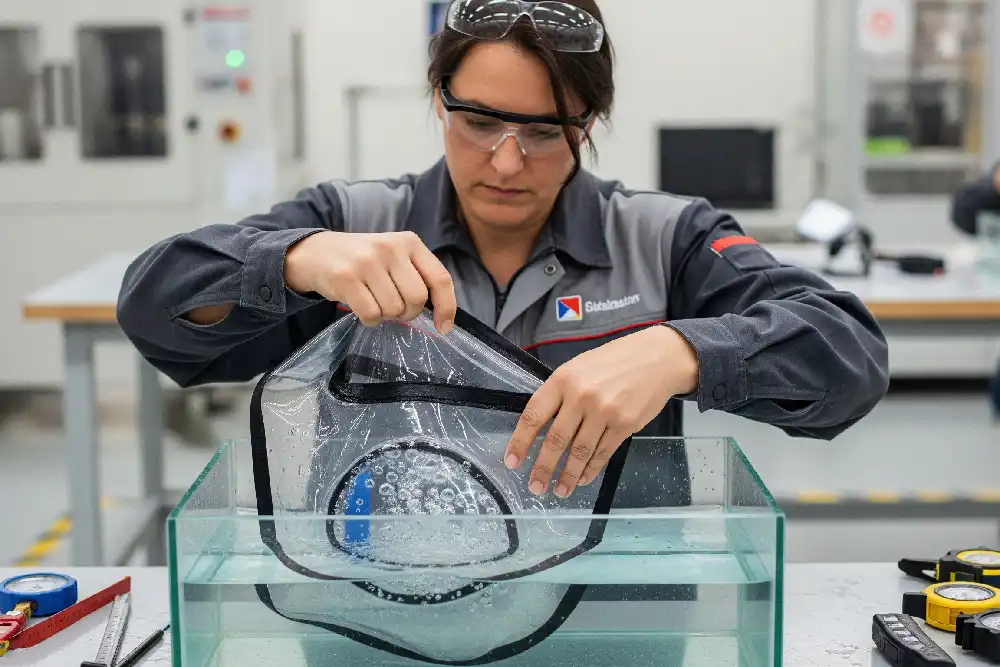
Un test di spruzzatura può individuare una scarsa idrorepellenza della superficie o perdite evidenti, ma il metodo e i criteri di accettazione devono essere concordati prima della produzione.
Il test di resistenza allo spruzzo ufficiale AATCC TM22-2024 valuta la resistenza dei tessuti all'umidità superficiale. Tuttavia, di per sé, non dimostra che una borsa per laptop interamente cucita sia impermeabile.
Non fidatevi dell'affermazione "borsa per laptop impermeabile" solo perché il tessuto esterno respinge l'acqua. La differenza tra le prestazioni del tessuto e la costruzione della borsa finita è spiegata in questa guida alle borse per laptop resistenti all'acqua.
11. Controlla loghi, etichette e branding
Confronta tutti gli elementi di branding con la grafica approvata e il campione di riferimento.
Ispezionare:
Tipo di logo
dimensioni del logo
Posizione rispetto a punti di riferimento definiti
Allineamento orizzontale e verticale
Colore
densità del ricamo
Copertura stampa
adesione tramite trasferimento termico
bordi a patch
Finitura con logo in metallo
Orientamento dell'etichetta tessuta
Informazioni sull'etichetta principale
Etichetta di cura
Indicazione del paese di origine, ove richiesto
hangtag
Codice a barre
Etichetta SKU
Grafica di imballaggio
Un logo può essere fisicamente ben fissato, ma risultare comunque inaccettabile se è storto, colorato in modo errato, posizionato male o incoerente nell'intero ordine.
L'ispezione del codice a barre dovrebbe confermare sia la leggibilità che l'accuratezza dei dati. Un codice a barre che viene letto correttamente ma identifica un SKU errato rappresenta comunque un grave problema commerciale.
12. Ispezionare l'aspetto, la pulizia e l'odore.
Esaminare ciascun sacchetto campionato da una normale distanza di osservazione e poi di nuovo da vicino.
Cercare:
Sporcizia
Segni di olio
Segni di gesso
Residui di colla
Fili sciolti
Danni al tessuto
graffi
denti
in cattive condizioni
Riempimento non uniforme
rughe permanenti
Variazione di tonalità
pannelli storti
Fori di ago visibili
Odore forte o insolito
Muffa o umidità
Oggetti estranei nelle tasche
Utilizzare un'illuminazione adeguata e uniforme, soprattutto quando si confrontano i colori.
La gravità di un difetto estetico dipende dalla sua posizione, visibilità, posizionamento del prodotto e standard di qualità approvati.
Un piccolo segno all'interno di una tasca nascosta potrebbe non essere un problema. Lo stesso segno su un logo metallico frontale o su un pannello esterno di colore chiaro potrebbe invece rendere difficile la vendita di una borsa da lavoro di alta gamma.
13. Verificare i dettagli dell'imballaggio e della scatola
I problemi di imballaggio possono ritardare la ricezione in magazzino o la distribuzione al dettaglio, anche quando le buste stesse sono in condizioni accettabili.
Dai un'occhiata:
Metodo pieghevole
Materiale di supporto alla forma
Involucro protettivo
Sacchetto antipolvere, se specificato
Dimensioni del sacchetto di plastica e avvertenze richieste
Protezione dall'umidità
Accessori inclusi
Posizione del cartellino
Posizionamento del codice a barre
Identificazione del codice SKU e del colore
Quantità nella confezione interna
Unità per cartone
Dimensioni del cartone
Peso della scatola
Marchi di spedizione
Punti di destinazione
Sequenza numerica del cartone
Condizioni della scatola
Metodo di sigillatura
Verificare che la confezione non:
Comprimere permanentemente la schiuma
Deformare il corpo della borsa
Pannelli strutturati piegati
loghi di danneggiamento
Lasciare che gli elementi metallici graffino i prodotti adiacenti
Test funzionali per ordini all'ingrosso di borse per laptop
Il piano di test finale deve rispecchiare le specifiche del prodotto, l'uso previsto e le affermazioni di vendita.
Test
Cosa controlla
Metodo pratico
Test di adattamento del dispositivo
Dimensioni utilizzabili del vano per laptop
Inserire e rimuovere il dispositivo o il modello approvato
Chiusura del vano
Spazio libero intorno al dispositivo
Chiudere il vano carico senza esercitare una pressione eccessiva.
Conservazione del laptop
Movimento all'interno del compartimento
Trasportare e riposizionare la borsa carica
Funzionamento della cerniera
Fluidità e allineamento
Azionare tutte le cerniere secondo il test concordato
Regolazione del cinturino
Capacità di tenuta del regolatore
Regola la lunghezza della tracolla, riempi la borsa e controlla lo slittamento.
Maniglia e cinghia di carico
Rinforzo e stabilità della giunzione
Applicare il carico concordato attraverso ciascun punto di trasporto.
funzione tascabile
Capacità e accesso
Inserire gli accessori previsti
Scansione del codice a barre
Leggibilità e dati corretti
Scansiona le etichette dei prodotti selezionati
Controllo dello spruzzo d'acqua
Idrorepellenza della superficie o perdite evidenti
Utilizzare il metodo approvato dall'acquirente
connessione USB
Installazione e collegamento dei cavi
Collegare un power bank e un dispositivo adatti
Revisione dell'imballaggio
Protezione durante lo stoccaggio e la spedizione.
Ispezionare le unità imballate e la disposizione degli imballaggi.
Un'ispezione in loco non sostituisce le prove di laboratorio quando è richiesta una verifica formale della resistenza, della composizione chimica, della solidità del colore o delle prestazioni in acqua.
Come si applica il campionamento AQL agli ordini di borse per laptop
Il campionamento AQL aiuta gli acquirenti a determinare quanti sacchi finiti ispezionare e se il numero di difetti riscontrati rimane entro i limiti di accettazione concordati.
Alcuni ordini di piccole dimensioni o ad alto rischio possono richiedere un'ispezione al 100%. Gli ordini di grandi quantità vengono spesso valutati tramite campionamento di accettazione.
La norma ISO 2859-1:2026 fornisce schemi di campionamento indicizzati in base al limite di qualità di accettazione per l'ispezione lotto per lotto per attributi.
Un'ispezione AQL normalmente richiede all'acquirente di definire:
Dimensione del lotto
Livello di ispezione
Misura di prova
Limite dei difetti critici
Limite dei difetti maggiori
limite dei difetti minori
Numero di accettazione
Numero di rifiuto
L'AQL è un parametro di campionamento per l'accettazione. Non significa che l'acquirente stia deliberatamente approvando una percentuale nota di prodotti difettosi, né dimostra che l'intera spedizione contenga la stessa percentuale di difetti del campione ispezionato.
I campioni devono essere selezionati in modo casuale e distribuiti in diversi cartoni e aree della spedizione.
I criteri AQL appropriati dipendono da:
Rischio per la sicurezza
Complessità del prodotto
Posizionamento del marchio
Canale di vendita
Aspettative del cliente
Prestazioni precedenti del fornitore
Esposizione della garanzia
Requisiti di mercato applicabili
Non esiste un'unica combinazione AQL corretta per ogni ordine di borse per laptop.
Difetti critici, maggiori e minori delle borse per laptop
I difetti critici comportano rischi per la sicurezza o gravi problemi di conformità. I difetti maggiori influiscono sulla funzionalità, sulle specifiche o sulla vendibilità. I difetti minori generalmente riguardano la qualità della lavorazione o l'aspetto estetico senza impedire il normale utilizzo.
Gli esempi che seguono sono a scopo illustrativo. La classificazione definitiva deve essere concordata prima dell'ispezione.
Classificazione
Significato generale
Esempi di borse per laptop
critico
rischio per la sicurezza, legale o di grave conformità
Metallo tagliente esposto, frammento di ago rotto, componente pericoloso, informazioni di sicurezza obbligatorie mancanti
Maggiore
Il prodotto non funziona come previsto o è difficile da vendere.
Il laptop non ci sta, il materiale è sbagliato, la cerniera principale è rotta, la maniglia è staccata, manca l'imbottitura, la cucitura portante è aperta, il logo è errato.
Minore
Effetto limitato sull'utilizzo o sulla vendibilità
Piccolo filo allentato, leggera irregolarità della cucitura nascosta, piccolo segno estetico interno
Lo stesso tipo di difetto può avere una classificazione diversa a seconda della sua posizione e delle sue conseguenze.
Per esempio:
Un filo allentato all'interno di una tasca nascosta potrebbe essere un dettaglio di poco conto.
Un filo allentato che permette a una cucitura portante di aprirsi può essere un problema grave.
Un componente rotto e tagliente all'interno del vano del laptop potrebbe essere critico.
Un catalogo dei difetti dovrebbe includere fotografie, ove possibile. Le immagini riducono le controversie su descrizioni come "leggermente storto", "graffio visibile" o "differenza di colore inaccettabile".
Quando una spedizione deve essere approvata, rielaborata o rifiutata?
Una volta completati i controlli fisici, l'ispettore ha bisogno di un metodo coerente per registrare il risultato.
Passare
Una spedizione può essere considerata valida quando:
Il numero dei difetti rimane entro i limiti concordati.
Non sono stati rilevati difetti critici
I test funzionali soddisfano i requisiti approvati
Quantità e assortimento sono corretti
Non sussistono più problemi irrisolti relativi a specifiche o conformità.
Approvazione scritta della deroga
L'acquirente può concedere un'approvazione scritta per le deroghe quando la questione è pienamente compresa e considerata commercialmente accettabile.
L'approvazione deve identificare:
La deviazione esatta
Quantità interessata
Adeguamento commerciale, se applicabile
Se l'approvazione si applica solo alla spedizione corrente
È necessario intervenire per correggere gli ordini futuri.
La mancata risposta da parte dell'acquirente non deve essere considerata come approvazione automatica.
Rilavorazione e nuova ispezione
La rilavorazione può essere adatta per problemi correggibili come:
Fili sciolti
Tracce di sporco o di colla
Etichette errate
Tirazip sostituibili
Errori di imballaggio
Errori di etichettatura correggibili
Dopo la rilavorazione, i prodotti interessati devono essere ricontrollati. Una spedizione non conforme non deve essere automaticamente approvata solo perché la fabbrica dichiara che il problema è stato risolto.
Blocco o rifiuto della spedizione
Una spedizione potrebbe dover essere bloccata o rifiutata in presenza di un grave problema irrisolto, come ad esempio:
Tessuto o componente errato
Il vano per laptop non è adatto al dispositivo di destinazione
Imbottitura mancante o posizionata in modo errato
Ripetuti cedimenti delle giunzioni portanti
Malfunzionamento della cerniera principale
Marchio errato su una quantità significativa
Test di sicurezza o conformità obbligatori non superati
Il numero di difetti supera il limite di rifiuto
I campioni di ispezione non sono rappresentativi
I dati di produzione non possono essere verificati
L'urgenza commerciale non deve modificare l'esito dell'ispezione registrata. L'acquirente può prendere una decisione commerciale separata, ma il rapporto di qualità deve rimanere accurato.
Lista di controllo stampabile per l'ispezione della borsa per laptop
Area di ispezione
Lista di controllo
Documenti
☐ Campione approvato ☐ Scheda tecnica ☐ Distinta materiali ☐ Misure ☐ Standard di colore ☐ Specifiche di imballaggio
Quantità
☐ Quantità totale ☐ Dettaglio SKU ☐ Assortimento colori ☐ Unità per cartone
☐ Forma ☐ Simmetria ☐ Pulizia ☐ Uniformità della tonalità ☐ Nessun danno
Dimensioni
☐ Larghezza ☐ Altezza ☐ Profondità ☐ Lunghezza tracolla ☐ Posizione della tasca
Compatibilità laptop
☐ Dimensioni interne ☐ Larghezza apertura ☐ Inserimento del dispositivo ☐ Rimozione del dispositivo
Marchio
☐ Imbottitura inferiore ☐ Fondo sospeso ☐ Copertura degli angoli ☐ Nessun punto di fissaggio interno
Edilizia
☐ Cucitura ☐ Cuciture chiuse ☐ Bordatura ☐ Punti di rinforzo ☐ Rinforzo
Sistema di trasporto
☐ Maniglie ☐ Tracolla ☐ Spallacci per zaino ☐ Regolatori ☐ Passante per trolley
Hardware
☐ Cerniere ☐ Fibbie ☐ Ganci ☐ Bottoni a pressione ☐ Anelli a D ☐ Finitura superficiale
funzioni
☐ Tasche ☐ Chiusure ☐ Espansione ☐ Cavo USB ☐ Scomparto per accessori
Branding
☐ Logo ☐ Etichette ☐ Cartellini ☐ Codice a barre ☐ Informazioni SKU
Prestazioni
☐ Compatibilità del dispositivo ☐ Test di carico ☐ Funzionamento della cerniera ☐ Controllo dello scivolamento della cinghia
Packaging
☐ Pieghevole ☐ Protezione ☐ Sacchetto di plastica ☐ Marchi del cartone ☐ Quantità del cartone
Decisione
☐ Conteggio dei difetti ☐ Risultato AQL ☐ Rilavorazione necessaria ☐ Approvazione della spedizione
Considerazioni finali
Una checklist affidabile per l'ispezione di una borsa per laptop dovrebbe rispecchiare il modo in cui il prodotto verrà effettivamente utilizzato.
Il controllo del tessuto, delle cuciture e delle cerniere è necessario, ma non dimostra che la borsa sia adatta o protegga il computer a cui è destinata. Gli ispettori devono anche verificare le dimensioni utilizzabili del vano, la copertura dell'imbottitura, la protezione degli angoli inferiori, i punti di fissaggio interni, gli elementi di supporto del carico, la funzionalità della ferramenta, il marchio e l'imballaggio.
Per i progetti OEM e ODM, questi requisiti dovrebbero essere discussi prima dell'approvazione del campione, anziché essere introdotti dopo il completamento della produzione in serie.
I marchi che valutano potenziali fornitori possono anche esaminare i fattori relativi a sviluppo, campionatura, produzione e controllo qualità in questa guida alla scelta di un produttore di borse per laptop.
Vancharli Outdoor offre servizi di produzione di borse per laptop personalizzate per marchi, grossisti, importatori e progetti a marchio privato. I requisiti di qualità possono essere allineati con il campione approvato dall'acquirente, le specifiche tecniche, i criteri di difettosità, le istruzioni di imballaggio e il processo di ispezione di terze parti.
Domande frequenti
Quante borse per laptop devono essere ispezionate in un ordine all'ingrosso?
La dimensione del campione dipende dalla dimensione del lotto, dal livello di ispezione e dal piano di campionamento per l'accettazione concordato. Gli acquirenti possono anche richiedere un'ispezione al 100% per le caratteristiche ad alto rischio, i difetti corretti o gli ordini particolarmente delicati.
È sufficiente un controllo finale per ordinare una borsa per laptop?
Non sempre. Un'ispezione finale può individuare difetti nel prodotto finito, ma le sostituzioni di materiali, il posizionamento errato della schiuma e gli errori strutturali sono più facili da prevenire o correggere durante le ispezioni dei materiali e in corso di produzione.
Come dovrebbe un ispettore verificare che un computer portatile sia compatibile?
Utilizzare il dispositivo fisico approvato, un modello rigido o una tavola di prova dimensionalmente accurata. Verificare l'inserimento, la rimozione, la chiusura, il movimento e lo spazio disponibile dopo il caricamento degli altri scomparti.
Un vano per laptop di dimensioni non corrette costituisce un difetto grave?
Si parla di difetto grave quando la borsa viene venduta per un determinato laptop di dimensioni specifiche, ma il dispositivo previsto non può essere inserito, rimosso, fissato o trasportato come previsto. La classificazione finale deve seguire l'elenco dei difetti approvato dall'acquirente.
Un ispettore può confermare che una borsa per laptop è impermeabile?
Solo quando il prodotto finito soddisfa specifici requisiti di impermeabilità e supera tali test. Un tessuto idrorepellente o un semplice test di spruzzatura superficiale non possono dimostrare che una borsa per laptop interamente cucita sia impermeabile.
Chi prende la decisione finale sulla spedizione?
L'ispettore registra i risultati e applica i criteri di ispezione concordati. Di norma, la decisione commerciale finale spetta all'acquirente autorizzato o al responsabile della qualità, soprattutto in caso di deviazione o approvazione condizionata.








I commenti sono chiusi